Table of Contents
- Understanding Post-Operative Swelling After Hair Transplant
- When Does Hair Transplant Swelling Occur?
- Top 5 Tips to Prevent Swelling After Hair Transplant Surgery
- Additional Prevention Strategies
- When to Contact Hair Restoration Seattle
- Schedule Your Hair Transplant Consultation with Dr. Javad Sajan
- FAQs About Hair Transplant Swelling
Swelling or edema after hair transplant surgery is a common side effect during recovery. While this typically resolves within a few days, understanding the prevention strategies can significantly improve comfort and healing. This guide provides proven methods to minimize swelling after hair transplant surgery.
Understanding Post-Operative Swelling After Hair Transplant
Hair transplant swelling is a natural inflammatory response that occurs when follicular units are extracted from the donor area and implanted into the recipient site. The local anesthetic and tumescent solution used during surgery adds temporary volume under the skin. As gravity takes effect, fluid can drift downward from the scalp to the forehead and around the eyes, typically appearing 24 to 72 hours post-procedure.
According to medical research published by the National Institutes of Health, approximately 55% of hair transplant patients experience some degree of swelling after surgery, while the remaining 45% avoid significant edema through preventative measures and proper aftercare protocols.
When Does Hair Transplant Swelling Occur?
Day 1-2 Post-Surgery: Minimal swelling on the scalp and forehead with mild tightness around the transplant site.
Day 3-4 Post-Surgery: Peak swelling period. Fluid may migrate downward, causing puffiness around the forehead, eyebrows, and eyelids.
Day 5-7 Post-Surgery: Swelling gradually subsides as the body reabsorbs excess fluid.
Week 2 and Beyond: Residual swelling should be completely resolved. Persistent swelling requires evaluation.
Top 5 Tips to Prevent Swelling After Hair Transplant Surgery
1. Sleep with Head Elevated
Maintaining head elevation is the most effective physical measure for preventing post-operative swelling. Sleep in an elevated position for the first seven nights after surgery to prevent fluid from pooling in the forehead and facial areas.
Best practices:
- Use a recliner chair positioned at a 30 to 45-degree angle
- Stack multiple pillows to create a comfortable incline if a recliner is unavailable
- Sleep on the back to avoid pressure on newly transplanted grafts
- Avoid lying completely flat during the first week
- Use a neck pillow for additional support
The elevation method utilizes gravity to encourage proper lymphatic drainage and prevent fluid migration. Patients who maintain consistent head elevation experience significantly less forehead and periorbital swelling.
2. Take Prescribed Anti-Inflammatory Medications
Corticosteroid medications represent the most clinically proven method for preventing post-hair transplant swelling. Research demonstrates that steroid administration dramatically reduces the incidence and severity of edema.
Dr. Javad Sajan may prescribe a 5-day steroid pack, typically beginning the day before surgery and continuing for several days post-procedure. Common corticosteroid medications approved by the FDA include:
- Prednisolone: Oral corticosteroid taken in tapering doses over 5-6 days
- Methylprednisolone: Intramuscular injection administered before surgery
- Triamcinolone: Mixed with tumescent anesthetic solution during the procedure
A study published in the Journal of Cutaneous and Aesthetic Surgery involving 340 hair transplant patients found that 97.4% of those who received triamcinolone with tumescent anesthetic solution experienced no visible swelling.
Patients should take all prescribed medications exactly as directed. Never discontinue steroid medication early or adjust dosages without consulting Hair Restoration Seattle.
3. Apply Cold Compresses Strategically
Ice therapy provides immediate relief and helps constrict blood vessels to reduce fluid accumulation. Proper application technique is critical to avoid compromising transplanted follicles.
Correct application:
- Apply ice packs to the forehead area only, never directly on the transplant site or donor area
- Use 10 to 15-minute intervals, allowing skin to return to normal temperature between applications
- Wrap ice packs in a soft cloth to prevent direct skin contact
- Focus application on the area just above the eyebrows where swelling typically begins
- Apply cold compresses most frequently during the first 48 hours post-surgery
- If swelling develops on day 3 or 4, apply ice immediately
Cold therapy causes vasoconstriction, which narrows dilated blood vessels and reduces inflammation, significantly decreasing forehead and periorbital edema.
4. Maintain Proper Hydration and Diet
Nutrition plays a crucial role in the body’s healing process and directly impacts fluid retention and swelling. Proper hydration and dietary choices support faster recovery and reduced inflammation.
Hydration guidelines:
- Drink at least 8 to 10 glasses of water daily during recovery
- Adequate hydration helps flush excess fluids from tissues
- Avoid dehydrating beverages like excessive caffeine and alcohol
5. Use a Compression Headband
Medical-grade compression headbands serve as a physical barrier to prevent fluid migration from the scalp to the face. When applied correctly, these specialized bands help reduce swelling in the scalp.
Headband application guidelines:
- Wear the compression headband continuously for the first 72 to 96 hours after surgery
- Position the band across the forehead, just above the eyebrows, and below the hairline
- Ensure the band is snug but not uncomfortably tight
- The band acts like a dam, preventing gravitational fluid shift downward
- Continue wearing the headband during sleep while maintaining head elevation
Dr. Sajan will provide specific instructions regarding headband use during consultation and the immediate post-operative period. The compression technique dramatically reduces periorbital edema and forehead puffiness.
Additional Prevention Strategies
Activity modifications:
- Avoid bending over or lowering the head below heart level
- Refrain from strenuous physical activity for at least two weeks
- Avoid exercises that increase blood pressure or heart rate
- Do not lift heavy objects during the first week
- Take short, gentle walks to promote circulation
Environmental considerations:
- Stay in cool, comfortable environments
- Avoid saunas, steam rooms, or hot tubs for at least two weeks
- Avoid direct sun exposure to the scalp and face
Medication to avoid:
- Do not take NSAIDs like ibuprofen or aspirin unless specifically approved by Dr. Sajan
- Only use pain medications prescribed or recommended by Hair Restoration Seattle
When to Contact Hair Restoration Seattle
While post-operative swelling is normal, certain warning signs require immediate medical attention:
Concerning symptoms:
- Swelling persisting beyond 10 to 14 days without improvement
- Severe swelling preventing eye opening or causing vision changes
- Increasing pain, redness, or warmth around the transplant site that may indicate infection
- Fever above 100.4°F (38°C)
- Purulent drainage or foul odor from the surgical site
- Development of severe headache or dizziness
- Signs of allergic reaction including hives, difficulty breathing, or facial swelling beyond expected edema
These symptoms may indicate infection, allergic reaction, or other complications requiring prompt evaluation by Dr. Javad Sajan.
Schedule Your Hair Transplant Consultation with Dr. Javad Sajan
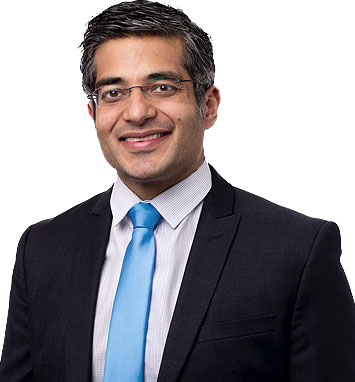
If experiencing hair loss and considering hair restoration surgery, schedule a comprehensive consultation with Dr. Javad Sajan at Hair Restoration Seattle. During this personalized meeting, Dr. Sajan will evaluate hair loss patterns, discuss treatment options including FUE and FUT techniques, examine the donor area, and create a customized surgical plan.
As a renowned plastic surgeon with specialized training in hair restoration, Dr. Sajan customizes each procedure to the individual patient’s needs, hair characteristics, and aesthetic goals. Hair Restoration Seattle provides comprehensive pre-operative education and detailed post-operative care instructions to maximize results and minimize complications.
Contact Hair Restoration Seattle today at (206) 209-0988 to schedule a consultation with Dr. Javad Sajan and discover how advanced hair transplant techniques can restore confidence and quality of life. The team at Hair Restoration Seattle is committed to providing exceptional results with comprehensive support throughout the entire hair restoration process.
FAQs About Hair Transplant Swelling
Q: How long does swelling last after hair transplant surgery?
A: Most patients experience peak swelling on days 3-4 after surgery, with gradual resolution over 5-7 days. Residual minor swelling should completely disappear within 10-14 days. If swelling persists beyond two weeks, contact Hair Restoration Seattle for evaluation.
Q: Can I prevent swelling completely after hair transplant?
A: While complete prevention is not guaranteed, following all five prevention strategies significantly reduces the likelihood and severity of swelling. Studies show that patients who receive steroid medication and follow proper aftercare protocols have dramatically less edema.
Q: Is swelling after hair transplant dangerous?
A: Normal post-operative swelling is not dangerous and represents the body’s natural healing response. However, severe or persistent swelling accompanied by fever, severe pain, or signs of infection requires immediate medical attention.
Q: Does FUE or FUT cause more swelling?
A: Both FUE and FUT hair transplant techniques can result in similar swelling patterns. The extent of swelling depends more on individual healing responses, surgical technique, and adherence to post-operative care protocols.
Q: Will swelling affect my hair transplant results?
A: No. Normal post-operative swelling does not negatively impact graft survival or final hair restoration results. The swelling is superficial and temporary, while transplanted follicles are safely positioned beneath the skin surface.
Q: Should I massage my scalp to reduce swelling?
A: No. Never massage, rub, or apply pressure to the transplant site or donor area during the first two weeks. This can displace grafts and compromise results. Allow swelling to resolve naturally through elevation, medication, and gentle cold compress application.
Q: Can I use makeup to cover forehead swelling?
A: Avoid applying makeup or cosmetics to the forehead and transplant area during the first week of recovery. Once cleared by Dr. Sajan, gentle makeup application may be possible, though swelling should be significantly improved by this time.
Read more:
The Cost of Hair Transplants: What to Expect and How to Plan
Can You Get A Hair Transplant If You Are Completely Bald?
Week 3 After Hair Transplant: What to Expect and How to Take Care of Your Scalp