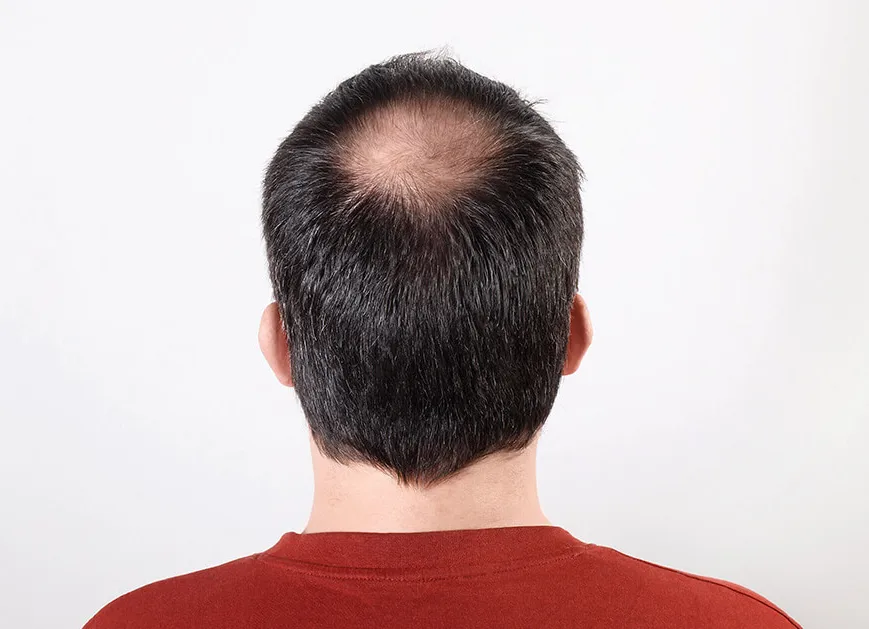
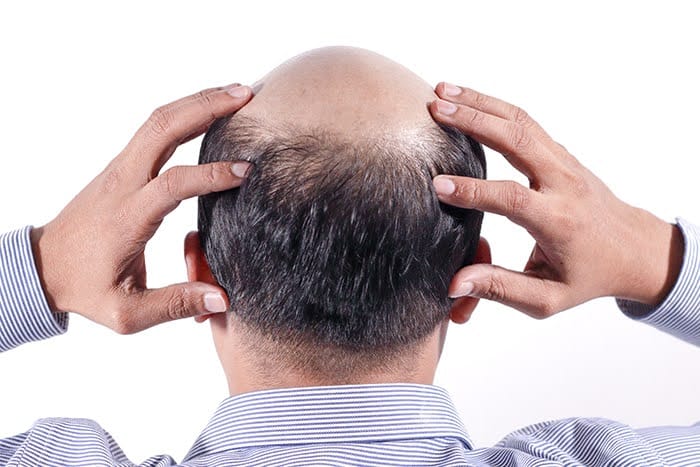
Noticing thinning or a growing bald spot at the crown can feel frustrating. The crown, also called the vertex, is one of the most common places where hair loss shows up first. You might not see it right away because it sits toward the top-back of your scalp. You may notice a widening swirl. You may see more scalp under bright lights. You may spot a bald spot in photos. Many people try new shampoos, powders, and fibers. Those options can help for a while. They rarely change the long-term pattern.
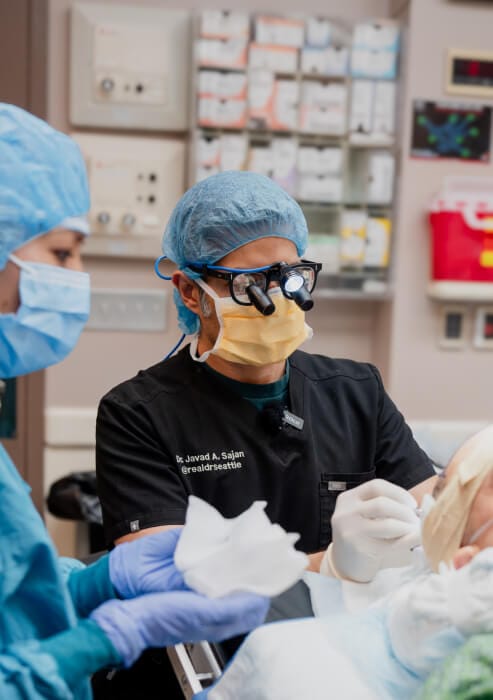
If you live in Spokane and want real options for crown hair restoration, Hair Restoration Seattle offers advanced solutions designed for natural coverage in the vertex area. Under the care of Dr. Javad Sajan, the focus stays on results that look believable, blend with your existing hair, and follow the crown’s natural growth pattern.
The plan starts with a detailed evaluation of your hair loss stage, donor strength, and long-term goals. From there, the team builds a crown transplant strategy that supports both density now and smart planning for future hair changes, so you can regain confidence without an overdone look.
6-8 hours
5-7 days
$4.5/graft
$5/graft
Most crown thinning starts with genetics. Androgenetic alopecia drives the classic vertex pattern in many men. It also affects many women, often with more diffuse thinning. Hormones play a role. DHT can shrink follicles over time. The hair grows thinner and shorter with each cycle.
Other factors can speed up the process or mimic it:
A hair transplant works best when you treat the full picture. A consultation should include a scalp exam. It should also include questions about family history and timeline. The goal stays simple. You want a plan that restores the crown and protects the hair you still have.
The crown behaves differently than the hairline or mid‑scalp. That difference affects planning and graft counts. The crown has a swirl. Hair grows in a spiral pattern. Many people call that spiral a whorl. The direction changes as you move around the center. A surgeon must recreate that flow. Small mistakes can stand out.
The crown also shows the scalp faster. Hair spreads outward like spokes on a wheel. Even good density can look thinner when the hair parts around the swirl. Harsh overhead lighting makes it worse.
The crown often keeps changing. Many people lose hair at the hairline first, then the crown expands later. Some people follow the opposite path. Either way, you need a design that accounts for progression. A strong plan prioritizes natural coverage over unrealistic density.
A crown transplant follows a step-by-step process. The team customizes the details for your scalp and goals.
You discuss your hair loss story. You share goals and styling habits. The provider examines the crown and donor area. The plan defines the target zone, the swirl center, and the direction changes.
The team selects follicles that match your native crown hair. They also protect the donor so it still looks full after healing. Donor management matters, especially when future sessions may help.
The surgeon removes follicles with FUE or harvests a donor strip with FUT. The team then prepares grafts under magnification. They sort by hair count and quality.
The surgeon creates tiny openings in the crown. Each opening follows the natural angle and rotation of your swirl. This step shapes the final look.
The team places the grafts with careful spacing. You leave with clear instructions. You also get a follow-up plan, so the team can monitor healing and growth.
FUE stands for follicular unit extraction. With FUE, the surgeon removes individual follicular units from the donor area using a small punch. The team then implants those grafts into the crown.
Many patients like FUE for these reasons:
FUE also has tradeoffs. The surgeon must manage the donor carefully. Overharvesting can thin the back and sides. FUE can also take longer on procedure day. That matters for large crown cases.
FUE can work well for crown thinning, especially when you want a natural blend with existing hair. It can also pair well with touch-up sessions in the future.
FUT stands for follicular unit transplantation. Many people call it the strip method. The surgeon removes a thin strip of scalp from the donor zone. The team dissects that strip into individual grafts. Then the surgeon closes the donor with a fine-line technique.
FUT can make sense when you need a larger graft count. It can also help when you want to preserve donor strength for the future. Many patients prefer FUT if they wear longer hair, since longer hair can hide a thin linear scar.
FUT also has tradeoffs:
An experienced team can help you choose the best method for your crown goals and lifestyle.
Graft count depends on the size of the thin area, your hair characteristics, and your density goal. The crown can “drink” grafts. The swirl spreads hair in many directions, so coverage takes planning.
Many clinics use ranges like these:
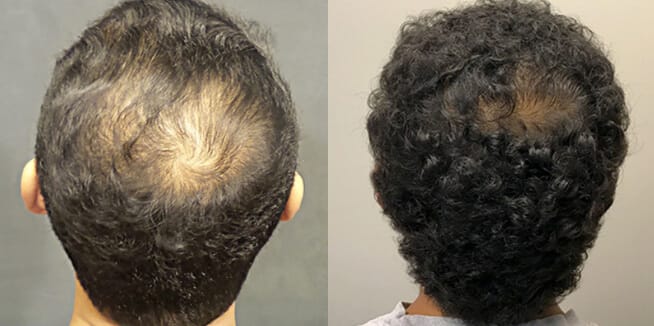
Your hair caliber matters. Thick, coarse hair covers more scalp than fine hair. Curls and waves add visual density. Dark hair on a light scalp can show thinning more. A surgeon accounts for all of it.
Many plans build density at the swirl center first. Then they blend outward for a natural transition.
Many people also keep miniaturized hair in the crown. A plan should protect that hair. Some patients combine surgery with medical therapy to slow future loss.
A crown transplant can help many people in Spokane. It does not fit every situation. A consultation should answer three key questions.
Do you have enough donor hair?
A surgeon needs a healthy donor zone. The donor must support today’s crown work and tomorrow’s needs.
Does your hair loss pattern look stable enough?
Fast progression can outpace a transplant plan. A provider may suggest medical therapy first. They may also propose a staged approach.
Do you have realistic expectations?
A crown transplant can improve coverage a lot. It cannot recreate teenage density in every case. Many patients do best when they focus on natural improvement instead of perfect.
You also need good general health. You should manage smoking, blood sugar, and scalp conditions. You should also commit to aftercare. Healing and graft survival depend on your habits in the first two weeks.
Crown results take time. Your scalp needs to heal. The follicles need to reset.
Most patients follow a timeline like this:
The crown can mature slower than the hairline. The swirl pattern and existing hair can hide early growth. Patience pays off.
Some patients need a second session later. Progression can expand the crown. A touch-up can refine the swirl and add density. A surgeon should explain this possibility early, so the plan stays honest.
If crown thinning bothers you in and you in Spokane, you do not need to guess your next step. Start with a focused evaluation and a clear plan. You can ask about FUE vs FUT. You can ask about graft counts and the swirl design. You can also ask about timing, travel, and recovery.
Hair Restoration Seattle offers crown hair restoration options. Many Spokane patients start with a virtual consultation, then schedule an in-person visit when they feel ready. To know more, call (206) 209-0988 to book your consultation. You can also book online.
Most U.S. hair transplants fall in a broad range because graft count and technique (FUE vs FUT) change the total.
When a qualified team performs the procedure and you follow aftercare, clinics often report high graft survival, commonly in the 90–95% range. Results still vary by scalp health, smoking, and post-op care.
Early photos show redness and small scabs. Then many transplanted hairs shed in the first weeks. New growth usually starts around 3-4 months, and the crown fills in gradually after that.
At 8 months, most people see clear improvement in coverage, but the crown can keep thickening through 12+ months. The swirl pattern often matures slower than the hairline, so density may still build after month eight.