Table of Contents
Hair transplants are very common today, but not everyone completely understands that they are real medical procedures. Like any surgery, there can be risks if it is not performed carefully. A major part of safety comes down to the person leading the procedure. Medical reviews also note that the risk of most complications can be reduced with proper technique and wound care. In this blog, we’ll look at what surgeon experience actually means for your safety.
Your Safety Checklist
Here are a few simple questions you should ask your hair transplant surgeon:
- Who will be performing my transplant surgery?
- How many hair transplant cases do you do regularly?
- What complications do you see often, and how do you manage them?
- Can I see before-and-after photos of patients with hair loss similar to mine?
Why Experience Matters In Hair Transplant Safety
Many clinics advertise “latest tech” or “no scar” claims, but international associations like the ISHRS emphasize doing careful research on the surgeon and clinic, including who actually performs key steps of the procedure.
The American Society of Plastic Surgeons also notes hair transplant surgery is normally safe when performed by a qualified, experienced surgeon.
How Experience Improves Safety in a Hair Transplant
A surgeon’s experience plays a direct role in how safely each step of a hair transplant is planned and performed.
1. Safer donor-area planning
The donor area is the part of your scalp where hair is taken, usually from the back or sides of your head. This area has a limited amount of hair. An experienced surgeon knows how much hair can be taken safely without leaving thin spots or patchy areas. Good planning also avoids taking hair from areas that may thin more in the future.
2. Lower risk of graft damage
Hair grafts are very fragile. If they are handled roughly, left outside the body too long, or placed the wrong way, they may not grow well. Surgeons with experience know how to handle grafts carefully, so they stay healthy and have a better chance of growing after surgery.
3. Better control of bleeding, swelling, and infection risk
Most hair transplants go smoothly, but problems can happen if steps are skipped. Experienced surgical teams follow clean, careful procedures, use the right amount of anesthesia, and give clear aftercare instructions. This helps lower the risk of infection, heavy swelling, or poor healing.
4. More natural hairline design
Safety is not just about avoiding medical problems. It also means avoiding results that look unnatural and are hard to fix later. An experienced surgeon designs the hairline based on your age, face shape, and likely future hair loss, so the result looks natural now and years down the road.
5. Better judgment on who should not have surgery yet
One of the biggest signs of experience is knowing when surgery is not the right choice yet. A skilled surgeon will be honest if your hair loss is still changing quickly, if your donor hair is too weak, or if expectations are unrealistic. This protects you from poor results and unnecessary risk.
Red Flags That Can Raise Safety Risk
- You cannot meet the surgeon until the day of the surgery
- The hair transplant clinic won’t explain who is doing the work
- Promises like “guaranteed density” or “no risk”
- Pressure tactics like “book today or lose the price”
- No clear aftercare plan or follow-up schedule
Bottom Line
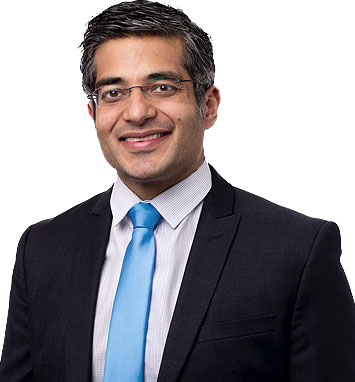
If you’re thinking about hair restoration, choosing the right surgeon matters just as much as choosing the procedure. Dr. Javad Sajan brings years of surgical experience and a careful, patient-first approach to hair restoration in Seattle. He takes time to plan each case, explain options clearly, and focus on natural results and long-term safety. If this article raised questions or helped you understand what to look for, a consultation is the best way to get answers that fit your situation and goals. Call us at (206) 672-9100 to book now.