Table of Contents
- Understanding the Link Between Steroids and Hair Loss
- Types of Steroids
- How Steroids Cause Hair Loss?
- Types of Hair Loss Associated with Steroid Use
- Risk Factors and Individual Variations
- Prevention Strategies While Using Steroids
- Treatment Options for Steroid-Induced Hair Loss
- Recovery Timeline and Expectations
- Special Considerations
- Expert Insights from Hair Restoration Seattle
- Conclusion
- Frequently Asked Questions
Steroids are prescribed every day for inflammation, autoimmune disease, asthma, skin conditions, and joint pain. Some misuse the use of steroids for physique or performance goals. With both medical and non-medical use, one question comes up repeatedly. Can steroids cause hair loss? In many cases, the answer is yes, but the type of steroid, dose, duration, and genetic risk determine whether hair shedding is temporary or whether steroid use accelerates permanent pattern hair loss (also known as Alopacia).
This guide explains how steroid-related hair loss happens, what it looks like, who is most at risk, and what options can help protect hair density.
Understanding the Link Between Steroids and Hair Loss
Steroids affect hair through two main pathways:
- Hormone-driven follicle miniaturization (pattern hair loss).
Some steroids increase androgen activity or raise levels of hormones that convert to DHT, which can shrink susceptible hair follicles over time. This is the same pathway involved in androgenetic alopecia (male and female pattern hair loss). - Cycle disruption that triggers shedding (telogen effluvium).
Certain medications can push more hairs into a resting phase, leading to diffuse shedding weeks to months later. Drug-induced shedding is a recognized clinical pattern, and telogen effluvium is well described in dermatology literature.
Because different steroids behave differently, the right question is often: Which steroids cause hair loss, and what type of hair loss is it?
Types of Steroids
There are two main categories of steroids, each affecting hair differently:
Corticosteroids: It is a prescription medications that reduce inflammation and suppress immune responses. Common examples include prednisone, hydrocortisone, and dexamethasone. Doctors prescribe these for conditions such as asthma, arthritis, and autoimmune disorders.
Anabolic Steroids: Anabolic-androgenic steroids (AAS) are synthetic variations of testosterone designed to promote muscle growth and enhance athletic performance. Popular types include testosterone enanthate, nandrolone, and stanozolol.
Medical vs. Non-Medical Steroid Use
Medical steroid use occurs under physician supervision for legitimate health conditions. Non-medical use involves taking steroids without a prescription, often in higher doses than medically recommended. Both applications can trigger hair loss, though non-medical use typically poses greater risks due to unregulated dosing and duration.
How Steroids Cause Hair Loss?
DHT Connection: Anabolic steroids accelerate hair loss primarily through their conversion to dihydrotestosterone (DHT). This potent androgen binds to receptors in hair follicles, causing them to shrink through a process called miniaturization. Over time, affected follicles produce progressively thinner, shorter hairs before ceasing production entirely.
The enzyme 5-alpha reductase facilitates this conversion process. Individuals with higher levels of this enzyme or increased sensitivity to DHT face greater hair loss risks when using steroids.
Hormonal Imbalances and Hair Growth Cycles: Steroids disrupt the natural hair growth cycle, which consists of three phases:
- Anagen (Growth Phase): Steroids shorten this phase, reducing the time hair has to grow
- Catagen (Transition Phase): Normal duration but affected by hormonal fluctuations
- Telogen (Resting Phase): Extended duration leads to increased shedding
These disruptions create an imbalance where more follicles enter the resting phase simultaneously, resulting in noticeable thinning and shedding.
Genetics: Genetics plays a crucial role in determining the severity of steroid-induced hair loss. Individuals with family histories of male or female pattern baldness possess genetic variations that make their follicles more sensitive to androgens. Steroid use accelerates the hair loss process that would have occurred naturally over decades, compressing it into months or years.
Types of Hair Loss Associated with Steroid Use
Androgenetic Alopecia Acceleration
Steroids dramatically accelerate androgenetic alopecia, the most common form of hair loss. Men typically experience receding hairlines and crown thinning, while women notice diffuse thinning across the scalp. What might have developed over 20 years naturally can occur within months of steroid use.
Telogen Effluvium from Corticosteroids
Corticosteroids often trigger telogen effluvium, a temporary hair loss condition characterized by widespread shedding. This occurs when stress or hormonal changes push numerous follicles into the resting phase simultaneously. Hair typically regrows once steroid treatment ends, though recovery may take several months.
Alopecia Areata and Immunosuppression
Paradoxically, while corticosteroids treat alopecia areata, discontinuing treatment can trigger rebound hair loss. The immune system, previously suppressed by steroids, may attack hair follicles more aggressively upon withdrawal.
Risk Factors and Individual Variations
Dosage and Duration Impact
Higher steroid doses are associated with increased risk of hair loss. Long-term use compounds these effects, as sustained hormonal disruption prevents follicles from recovering between cycles. Even short-term, high-dose steroid use can trigger permanent hair loss in genetically susceptible individuals.
Age and Gender Considerations
Younger individuals using steroids face unique risks, as their hormonal systems are still developing. Men generally experience more severe hair loss due to higher baseline androgen levels. Women, while less likely to experience dramatic hair loss, may notice increased facial hair growth alongside scalp hair thinning.
Pre-existing Hair Conditions
Individuals with existing hair loss conditions face amplified risks. Steroids can transform mild thinning into severe baldness within months. Those with conditions like thyroid disorders or nutritional deficiencies may experience particularly aggressive hair loss.
Prevention Strategies While Using Steroids
Choosing Hair-Safe Alternatives
Some steroids pose lower hair loss risks than others. Compounds with lower androgenic ratings, such as primobolan or anavar, may cause less severe hair loss. However, no anabolic steroid is completely hair-safe for genetically predisposed individuals.
Protective Medications and Supplements
Several medications can help protect hair during steroid use:
- Finasteride: Blocks 5-alpha reductase, reducing DHT production
- Minoxidil: Stimulates blood flow to follicles and extends growth phase
- Ketoconazole shampoo: Reduces scalp inflammation and DHT levels
- Biotin and zinc supplements: Support healthy hair growth
Monitoring Hair Health During Treatment
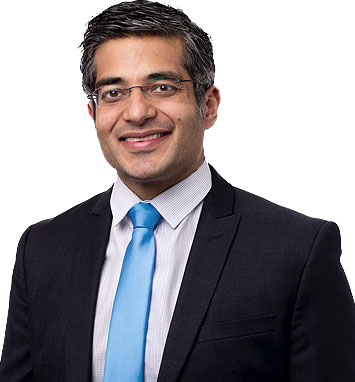
Regular scalp examinations help detect early hair loss signs. Photography documentation every two weeks creates an objective record of changes. Consulting with hair restoration specialists like Dr. Javad Sajan at the first sign of thinning enables early intervention.
Treatment Options for Steroid-Induced Hair Loss
Medical Treatments
FDA-Approved Medications:
- Finasteride (1mg daily) reduces DHT levels by approximately 70%
- Dutasteride offers stronger DHT suppression for severe cases
- Topical minoxidil (2% or 5%) applied twice daily stimulates regrowth
Emerging Treatments:
- Platelet-rich plasma (PRP) injections stimulate follicle regeneration
- Low-level laser therapy increases cellular activity in follicles
- Peptide treatments show promise in clinical trials
Surgical Hair Restoration
Hair Restoration Seattle specializes in advanced transplant techniques for steroid-related hair loss:
Follicular Unit Extraction (FUE): Individual follicles are harvested and transplanted, leaving minimal scarring. This technique works well for patients requiring precise hairline restoration.
Follicular Unit Transplantation (FUT): A strip of scalp containing healthy follicles is relocated to balding areas. This method allows transplanting larger numbers of grafts in a single session.
Dr. Javad Sajan evaluates each patient’s unique situation to recommend the most appropriate surgical approach.
Natural Recovery Methods
Supporting natural hair recovery involves:
- Maintaining optimal nutrition with adequate protein, iron, and vitamins
- Managing stress through exercise and meditation
- Using gentle, sulfate-free hair products
- Avoiding heat styling and chemical treatments
- Massaging the scalp to improve circulation
Recovery Timeline and Expectations
Immediate vs. Long-term Effects
Hair loss may continue for 3 to 6 months after discontinuing steroids due to follicle cycling delays. Initial regrowth appears as fine, colorless vellus hair that gradually thickens and darkens. Complete recovery, when possible, typically requires 12 to 18 months.
Factors Affecting Recovery Success
Recovery depends on multiple variables:
- Duration and intensity of steroid use
- Individual genetic factors
- Age at onset of hair loss
- Promptness of treatment initiation
- Adherence to treatment protocols
When to Seek Professional Help
Consult a hair restoration specialist when:
- Hair loss persists beyond six months after stopping steroids
- Thinning accelerates despite preventive measures
- Scalp irritation or inflammation develops
- Emotional distress from hair loss impacts quality of life
Special Considerations
Female Steroid Users and Hair Loss
Women face unique challenges with steroid-induced hair loss. Besides scalp thinning, they may experience hirsutism (excessive body hair growth) and voice changes. Treatment requires careful hormonal balance management, as some hair loss medications are contraindicated during pregnancy.
Adolescent Steroid Use Consequences
Teenage steroid use poses severe risks to developing hair follicles. Premature activation of genetic hair loss patterns can result in advanced baldness by the early twenties. Hair Restoration Seattle emphasizes prevention education for young athletes considering performance-enhancing substances.
Medical Necessity vs. Cosmetic Concerns
Patients requiring steroids for serious medical conditions face difficult decisions. Dr. Javad Sajan works with referring physicians to balance treatment needs with hair preservation strategies. Sometimes, temporary hair loss represents an acceptable trade-off for treating life-threatening conditions.
Expert Insights from Hair Restoration Seattle
Dr. Javad Sajan brings extensive experience treating steroid-induced hair loss at Hair Restoration Seattle. His approach combines cutting-edge medical treatments with proven surgical techniques, customized for each patient’s needs.
The clinic’s comprehensive evaluation process includes:
- Detailed medical history assessment
- Scalp microscopy examination
- Hormonal profile analysis
- Genetic testing when indicated
- Personalized treatment planning
Conclusion
Steroid use can significantly impact hair health through multiple mechanisms, primarily involving DHT production and hormonal disruption. While some individuals experience minimal effects, those with genetic predispositions face substantial hair loss risks. Understanding these connections enables informed decision-making about steroid use and early intervention when problems arise.
Hair Restoration Seattle offers comprehensive solutions for steroid-induced hair loss, from preventive strategies to advanced restoration procedures. Dr. Javad Sajan and his team provide personalized treatment plans that address both immediate concerns and long-term hair health goals.
Anyone experiencing hair loss related to steroid use should seek professional evaluation promptly. Early intervention significantly improves treatment outcomes and may prevent permanent follicle damage. Contact Hair Restoration Seattle to schedule a consultation and explore available options for maintaining and restoring healthy hair.
Frequently Asked Questions
How quickly does hair loss occur after starting steroids?
Hair loss typically begins within 2 to 3 months of steroid use, though some individuals notice changes within weeks. The timeline varies based on dosage, steroid type, and genetic factors.
Is steroid-induced hair loss reversible?
Reversibility depends on several factors. Temporary shedding from corticosteroids often resolves completely. Anabolic steroid-related loss may be partially reversible if caught early, but advanced miniaturization often results in permanent loss.
Which steroids are worst for hair loss?
Highly androgenic steroids like trenbolone, anadrol, and testosterone propionate pose the highest risks. DHT-derived steroids such as Winstrol and Masteron are particularly harmful to hair follicles.
Can hair loss continue after stopping steroids?
Yes, hair loss can continue for several months after discontinuation due to the hair growth cycle lag time. Additionally, natural hormone production takes time to normalize, potentially extending the shedding period.
Should finasteride be used during steroid cycles?
This decision requires medical supervision. While finasteride can reduce hair loss during steroid use, it may interfere with desired effects and cause additional side effects. Consultation with healthcare providers is essential.
How does Hair Restoration Seattle approach steroid-related hair loss differently?
Hair Restoration Seattle takes a comprehensive approach, addressing both the underlying hormonal imbalances and visible hair loss. Dr. Javad Sajan combines medical management with surgical options when appropriate, ensuring optimal long-term results for each patient.