Table of Contents
- What Is an Eyebrow Transplant?
- Can Eyebrow Transplants Really Go Wrong?
- Top Causes of Eyebrow Transplant Gone Wrong
- What to Do If Your Eyebrow Transplant Goes Wrong
- How to Fix a Bad Eyebrow Transplant
- Eyebrow Transplant Recovery Timeline
- When Should You See a Doctor?
- How to Avoid Eyebrow Transplant Mistakes
- Why Choosing the Right Clinic in Seattle Matters
- Eyebrow Transplant Cost Seattle and Correction Costs
- Final Thoughts
- FAQs
Seeing your new brows look uneven, too thick, too sparse, or simply “off” can feel alarming. When people search for “eyebrow transplants gone wrong,” they are usually trying to answer one urgent question: Is this a normal part of healing, or did something actually go wrong? The good news is that not every early problem means failure. Shedding, scabbing, and an awkward in-between stage are expected parts of eyebrow transplant recovery, while real cosmetic or medical issues usually become clearer over time.
In many cases, bad-looking brows in the first few weeks are not the same as bad eyebrow transplant results. Transplanted hairs often fall out a few weeks after surgery before new growth starts, and regrowth begins around 3 to 4 months, with density improving over the following months.
What Is an Eyebrow Transplant?
An eyebrow transplant is a cosmetic procedure that moves hair follicles, usually from the scalp, into the brow area to create fuller eyebrows. At Hair Restoration Seattle, we offer it as a customized procedure designed around facial structure, brow shape, and natural hair direction.
Can Eyebrow Transplants Really Go Wrong?
Yes, they can, but serious problems are uncommon when the procedure is done by an experienced specialist using proper technique. Common risks include swelling, bruising, infection, pain, scarring, and loss of feeling.
Signs of eyebrow transplant complications or a poor cosmetic result include:
- Uneven or unnatural shape
- Hair growing in the wrong direction
- Patchy density or poor growth
- Brows that look too thick or “pluggy”
- Prolonged redness, swelling, or signs of infection
- Visible scarring or poor donor healing
Top Causes of Eyebrow Transplant Gone Wrong
Inexperienced eyebrow transplant surgeon
Choosing the right eyebrow transplant surgeon is the most important factor in getting natural-looking brows. Eyebrow-specific experience matters because this is a small-area procedure where angle, shape, and density all matter.
Poor hair angle placement
This is one of the biggest reasons brows look unnatural. Grafts must be placed extremely flush to the skin. Even a slight elevation can make hair grow outward like a canopy instead of lying naturally along the brow.
Wrong donor hair selection
Not all donor hair behaves the same way. Curl, texture mismatch, and growth pattern can affect the final appearance, especially if the donor hair is too coarse or grows in a way that does not match the brow.
Not following aftercare instructions
Aftercare affects healing and graft survival. We advise patients to avoid strenuous activity until cleared, use caution while washing, and avoid picking at scabs. Poor aftercare can raise the risk of irritation, delayed healing, and preventable complications.
Unrealistic expectations
Some patients think they will wake up with perfect brows immediately. In reality, transplanted hairs often shed first, regrowth starts later, and final density takes months. That gap between expectation and reality is one reason many people think they have a failed result too early.
What to Do If Your Eyebrow Transplant Goes Wrong
Step 1: Do not panic too early
The first few weeks can look worse before they look better. Scabbing, temporary unevenness, and shock shedding are expected. Transplanted hairs can fall out within weeks, and regrowth may take six to 12 weeks or longer to begin.
Step 2: Wait for the full growth cycle
A true assessment usually takes months, not days. Visible regrowth starts around 3 to 4 months, with fuller density developing across six to eight months, and full results may take around nine to 12 months.
Step 3: Consult a specialist
If you don’t trust the original clinic, get a second opinion from someone experienced in brow design and corrective work. Document your result, request records, and get expert evaluation when direction, density, or scarring look wrong.
Step 4: Identify the type of problem
Not every issue needs surgery. Some problems are cosmetic, such as shape, direction, or density. Others are medical, such as infection, persistent swelling, or abnormal healing. Correction depends on the root cause.
Step 5: Choose the right fix
A failed eyebrow transplant fix may involve waiting, revision surgery, scar treatment, hair removal, or simple grooming support. The right plan depends on whether the issue is timing, technique, or healing.
How to Fix a Bad Eyebrow Transplant
Revision eyebrow transplant
This is often the best option for patchy density, missing sections, or brows that need redesign. Some patients need more than one session for density, and Seattle clinics also offer revision-focused hair restoration services.
Laser or electrolysis removal
If hair grows in the wrong direction or the brow looks too thick, selective removal may help. Some correction strategies for misdirected grafts include removal, electrolysis, and resetting angles.
Brow reshaping and grooming
Some cases improve with trimming, training the hairs, and temporary reshaping rather than full revision. Transplanted scalp hairs in the brows may continue to grow long and often need trimming.
Scar treatment
If the issue involves texture or scarring, treatment may include microneedling, laser-based resurfacing, or other scar-focused approaches, depending on the problem.
Eyebrow Transplant Recovery Timeline
Week 1 to 2
Mild redness, swelling, crusting, and scabbing are common. Brows often start to scab in the first few weeks, and eyebrow transplant literature advises avoiding friction early on.
Month 1
Most transplanted hairs may shed. This can look alarming, but it is a normal part of the cycle.
Month 3 to 6
New growth usually starts during this window. Regrowth begins around three to four months, with density building over the next several months.
Month 6 to 12
Brows continue to mature and blend. New eyebrow hairs begin growing within three to four months, with full results visible around nine to 12 months.
When Should You See a Doctor?
You should contact a doctor or surgeon if you have:
- Severe pain
- Worsening swelling
- Blood or pus leaking from the area
- Signs of infection
- No meaningful growth after the expected regrowth window
- Obvious misdirection, scarring, or asymmetry that is not improving
How to Avoid Eyebrow Transplant Mistakes
If you are researching “eyebrow transplant Seattle” or “eyebrow hair transplant Seattle,” use this checklist before booking:
- Choose a surgeon with eyebrow-specific experience
- Review before-and-after photos carefully
- Ask how graft angle and direction are controlled
- Ask what part of the procedure the surgeon personally performs
- Discuss realistic healing and growth timelines
- Make sure the design fits your face, not a generic template
Why Choosing the Right Clinic in Seattle Matters
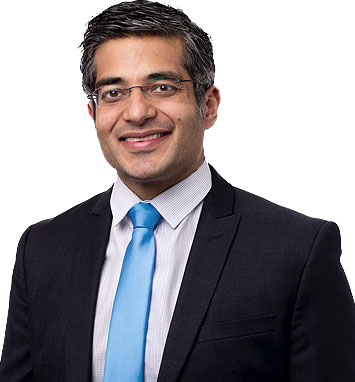
With eyebrow work, tiny details change the entire result. At Hair Restoration Seattle, our brow procedure is customized to facial structure and beauty goals. Dr. Sajan ensures careful placement to match natural brow growth and follow-up support during recovery. For patients considering eyebrow hair transplant Seattle, that kind of planning matters because eyebrow restoration is less about volume alone and more about angle, pattern, and facial balance.
Eyebrow Transplant Cost Seattle and Correction Costs
U.S. eyebrow transplant pricing often falls around $3,800 to $14,000, with many Seattle cases landing above the low end depending on graft count, surgeon experience, and technique. Surgeon fees are around the $2,000 to $8,000 range, cost per graft is around $5 to $8, anesthesia costs around $300 to $1,500, and facility fees are around $200 to $2,000.
That means eyebrow transplant cost Seattle patients pay for a correction can vary widely. A small eyebrow transplant correction may cost less than a full redo, but revision work can also cost more than a first procedure when removal, redesign, donor planning, or scar treatment are involved.
Final Thoughts
Most cases of eyebrow transplants gone wrong are not hopeless. Some are simply normal healing, while others are fixable with time, careful evaluation, and the right corrective plan. The key is not guessing. Get the brows assessed by a specialist who understands eyebrow-specific graft placement, growth direction, and revision strategy.
If you are worried about uneven growth, poor density, or unnatural direction after an eyebrow transplant Seattle procedure, getting an expert consultation is the smartest next step. The earlier the problem is correctly identified, the easier it is to build the right plan. Call us at 206-672-4353 to book an appointment.
FAQs
Can a bad eyebrow transplant be fixed?
Yes. A bad result can often be improved with revision transplant surgery, selective removal, scar treatment, or even grooming-based correction, depending on the issue.
How long does it take to correct?
It depends on the problem. Many surgeons wait until enough healing and regrowth have occurred before doing a revision. We suggest waiting around nine months before a touch-up session in many cases.
Is eyebrow transplant reversible?
Partially, in some cases. If the problem is misdirected or overly dense hair, some transplanted hairs may be removed with electrolysis, laser, or surgical correction, but full reversal is not always simple.
Why is my eyebrow transplant uneven?
Early unevenness can be caused by swelling, shedding, or different growth timing. True asymmetry can also happen from poor design, wrong hair direction, or a technical error during graft placement.
Who is the best eyebrow transplant surgeon?
The best eyebrow transplant surgeon is one who regularly performs eyebrow-specific procedures, understands hair angle and brow design, shows natural-looking before-and-after work, and gives realistic guidance on healing and growth.