Table of Contents
- Why Choosing a Right FUT Surgeon Matters?
- 1. Surgeon’s Credentials and Procedure Count
- 2. What are the graft survival rates for FUT?
- 3. Will you personally perform the entire procedure, or do technicians handle parts of it
- 4. How do you plan for future hair loss beyond this procedure”?
- 5. Can I see before and after photos of patients with similar hair loss to mine
- 6. What does the FUT procedure day look like, and what is the recovery timeline
- 7. What is the total cost of a FUT hair transplant in Seattle, and what does it include
- Bonus: 3 red flags that should make you walk away from any FUT consultation in Seattle
- Conclusion
- FAQs
Deciding to move forward with a FUT hair transplant is not something most people take lightly. It is a surgical procedure that affects how you look for years, sometimes permanently. Yet many patients spend more time comparing everyday purchases than they do carefully evaluating the surgeon who will perform their procedure.
FUT (follicular unit transplantation) means your result depends heavily on surgical precision. A poorly executed procedure can lead to a wide linear scar, low graft survival, or a hairline that does not look natural as you age. On the other hand, the right surgeon can deliver dense, natural-looking results that blend seamlessly with your existing hair.
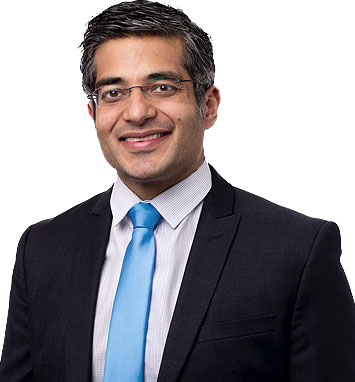
At the center of hair restoration in Seattle, Dr. Javad Sajan, known for his detailed approach to both FUT and FUE procedures. He focuses on creating results that look natural, balanced, and appropriate for each patient’s long-term hair pattern.
Before you book a FUT hair transplant in Seattle, these seven questions will help you evaluate your options with clarity and confidence. If you are considering treatment, scheduling a consultation with Dr. Javad Sajan is the best way to understand what approach will work for your specific hair loss pattern and goals.
Why Choosing a Right FUT Surgeon Matters?
FUT is a precise procedure requiring care at all phases. It does not simply mean placing hair on an individual; it also includes removing a donor strip and harvesting follicular units and subsequently placing them in their natural growth pattern.
One of the major differences between FUT and other available techniques is that FUT creates a linear scar at the donor site. The quality of the closure to either of these incisions will determine the visibility of the resultant scar. In addition, the survival of grafts is directly dependent on the manner in which the follicles are handled throughout the procedure.
Therefore, selecting an experienced FUT surgeon is essential. An experienced FUT surgeon is critical to the aesthetics and longevity of your results.
1. Surgeon’s Credentials and Procedure Count
A key area to inspect in a surgeon’s qualifications is their level of training and experience, and whether they hold board certification and formal training as a general surgeon. Board certification and formal education are both significant. But, FUT-focused training is equally significant, as this type of procedure demands a greater level of precision than other technologies used for hair transplants.
In addition, ask your surgeon how many FUT procedures they have done. If they respond directly with either an exact number or a range, this is a very positive indicator. The ideal scenario would be that they have done a good number of FUT procedures and many more than just case numbers.
Moreover, surgeons who actively participate in nationally recognized organizations for the restoration of hair usually demonstrate ongoing educational enhancement and compliance with current restoration principles.
Warning Signs: FUT Procedures
Be cautious if the answer you receive appears vague or lacks specific, quantifiable information. Claims of “many jobs” without exact quotes discourage an experienced FUT surgeon. In addition, you may want to find out whether most of the work is being done by technicians while your surgeon only makes a limited contribution to the effort.
You should expect a demonstration of both before and after a procedure of the same individual to give you a general idea of what you can expect from your surgeon, specifically for the FUT method.
2. What are the graft survival rates for FUT?
Graft survival is considered an important metric in establishing excellence in a hair restoration practice’s surgical results.
When evaluating and choosing a surgeon to perform a FUT procedure, evaluating graft survival rates is necessary, as it directly relates to the number of hair follicles that ultimately become successful after being implanted.
Studies show that a properly conducted FUT procedure should have a graft survival rate of approximately 90% to 95%. Graft survivability below those numbers will generally result in lower density, uneven distribution, and possibly the need for additional hair restoration procedures in order to achieve an optimal result.
Therefore, evaluating a surgeon’s history of graft survivability should be among the most critical indicators of the overall quality of the surgical process that has taken place.
Key Ways to Evaluate the Seattle FUT procedure
A knowledgeable and trustworthy surgeon will be able to explain his or her surgical graft survivability. And should be able to explain how he or she maintains his or her graft survivability rate.
His or her explanation should include how the grafts are handled during the dissection process, where they are stored before placing them back into the patient’s scalp, and how quickly they are placed back into the scalp. In addition, clinics that maintain a consistent set of procedures and tracking of their results do tend to achieve a predictable level of success.
If the answer is vague, ambiguous, or provides minimal information, this could indicate an inconsistency in their process and how they are measuring the success of their grafts.
What Impacts Graft Survival in FUT Hair Transplant Seattle Procedures?
In FUT Hair Restoration Seattle Several factors influence survival rates. These include how carefully the donor strip is dissected, how long grafts remain outside the body, and how gently they are placed into recipient sites.
An experienced surgical team, proper handling techniques, and a controlled clinical environment all contribute to higher survival and better overall results.
3. Will you personally perform the entire procedure, or do technicians handle parts of it
Surgeon vs technician debate in hair transplantation
This is one of those questions most patients don’t think to ask, but it can make a big difference in your results.
At some clinics, the surgeon is only involved at the beginning. They design the hairline, and then the rest of the procedure is handled by technicians. That can include preparing grafts and even placing them.
With FUT, it’s important to understand exactly who is doing each part of the procedure. This includes removing the donor strip, closing the donor area, preparing the grafts, and creating the tiny sites where the hair will be placed. Each step requires precision, and small differences in technique can affect how natural your result looks and how well your donor area heals.
Another thing many people don’t realize is that there is no strict rule requiring the surgeon to be present the entire time. That’s why it’s worth asking directly instead of assuming.
If you are also comparing FUT with a FUE hair transplant, you may notice that the level of surgeon involvement can vary even more depending on the clinic.
What Dr. Javad Sajan’s approach looks like
At Hair Restoration Seattle, Dr. Javad Sajan takes a more hands-on approach. He is involved in the key parts of the procedure, including removing the donor strip, closing the area, and creating the recipient sites.
This level of involvement helps keep the process consistent from start to finish. It also plays an important role in how well the donor area heals and how natural the final result looks.
For many patients, knowing that the surgeon is directly involved brings an extra level of confidence going into the procedure.
Questions to ask directly:
During your consultation, keep it simple and ask clearly:
- Who removes the donor strip
- Who closes the donor area
- Who creates the recipient sites
- Will you be present for the full procedure
These answers will give you a much clearer picture of how your procedure will actually be carried out.
4. How do you plan for future hair loss beyond this procedure”?
Why long-term planning is critical for FUT patients
Hair loss does not stop after one procedure. It continues to change over time. Someone who has moderate thinning today may experience more advanced loss in the coming years.
If a surgeon only focuses on how your hair looks right now, the result may not age well. You could end up with a strong hairline in the front while the surrounding areas continue to thin, which can look unbalanced over time.
With FUT, this becomes even more important. The donor hair used during the procedure is limited and permanent. Once it is used, it cannot be replaced. Poor planning early on can reduce your options later if you need additional treatment.
What a good surgeon’s answer should include
A thoughtful approach should go beyond the current stage of hair loss. The surgeon should look at your overall pattern, including family history, and estimate how your hair may change in the future.
Ultimately, your hairline design should be conservative and appropriate for your age, so it continues to look natural as you get older. You should also hear a clear plan for managing your donor area, including how many grafts may be used now and how many should be preserved for later.
In many cases, the conversation may also include ways to slow down ongoing hair loss. This can involve medical treatments such as Finasteride or Minoxidil, depending on what is suitable for you.
Why does this matter especially for crown transplants
The crown area tends to thin more gradually but over a larger surface. It also usually requires more grafts compared to the front hairline.
If not planned properly, treating the crown too early or too aggressively can use up a large portion of your donor hair. That can limit what can be done in other areas later.
If you are considering this area, it helps to understand how a crown hair transplant fits into your overall plan, rather than treating it as a separate decision.
5. Can I see before and after photos of patients with similar hair loss to mine
What to look for in a FUT before and after gallery
Start by finding patients who have a similar level of hair loss as you. If your hair loss is more advanced, it does not make sense to judge results based on someone with mild thinning. Matching your stage helps set realistic expectations.
Look closely at the hairline. It should not be too low or overly straight. A natural hairline usually has some irregularity and is designed to suit the patient’s age and facial features.
Pay attention to density as well. Try to view results under different lighting conditions, since lighting can make hair appear thicker than it actually is.
For FUT specifically, the donor area is just as important as the front. The visibility of the scar is one of the key things you should evaluate.
How to evaluate donor scar photos
Do not hesitate to ask for photos of the donor area, especially with shorter hair lengths. This gives you a more realistic idea of how visible the scar might be in everyday life.
With proper technique, including trichophytic closure, the scar should appear as a fine line that blends in with surrounding hair when worn at a moderate length.
If you notice scars that look wide, dark, or raised, it may indicate that the closure technique was not performed well.
Red flags in photo galleries
Be cautious if a clinic only shows its best results. A reliable surgeon should be able to show a range of cases, including more moderate or complex ones.
Photos taken only from ideal angles or under strong lighting can also be misleading. Consistency across different views is important.
Another major red flag is the absence of donor area photos altogether. Since FUT involves a linear scar, this is something every patient should be able to evaluate before making a decision.
6. What does the FUT procedure day look like, and what is the recovery timeline
A good surgeon should be able to walk you through the entire procedure in a simple and clear way, so you know exactly what to expect.
The day usually begins with preparation and local anesthesia to keep you comfortable throughout the procedure. Once the area is numb, a strip of scalp is carefully removed from the back of the head. This is known as the donor area.
The strip is then divided into individual follicular units by the surgical team. At the same time, small sites are created in the thinning areas where the grafts will be placed. Each follicle is then inserted carefully to match the natural direction and pattern of your hair.
The full process typically takes several hours, depending on the number of grafts being transplanted. Most FUT procedures are completed within four to six hours.
Recovery happens in stages, and understanding the timeline helps set realistic expectations.
|
Timeframe |
What to Expect |
| Days 1–3 | Mild swelling and tenderness are common, especially in the donor area. Light bandaging may be present as the area begins to heal. |
| Days 4–10 | Small scabs form around the transplanted follicles. Gentle care is important during this phase, especially when washing your hair |
| Week 2 | Stitches or staples are typically removed from the donor area. Most patients start feeling more comfortable returning to daily routines. |
| Week 3 to 6 | Transplanted hairs begin to shed. This is a normal part of the process and does not affect the outcome. |
| Months 3–4 | New hair growth starts to appear as the follicles enter a new growth cycle. |
| Months 6–9 | Noticeable improvement in density and coverage. The results begin to take shape more clearly. |
| Month 12 | Full results are usually visible, with mature hair growth and natural blending. |
During your consultation, it helps to ask practical questions such as:
- When can I return to work
- When can I resume exercise
- When will the donor area heal enough for shorter hairstyles
Clear answers to these questions will help you plan your schedule and feel more prepared for the recovery process.
7. What is the total cost of a FUT hair transplant in Seattle, and what does it include
How FUT is priced in Seattle
FUT hair transplant procedures in Seattle are usually priced based on the number of grafts needed.
Most clinics charge somewhere in the range of four to seven dollars per graft. At Hair Restoration Seattle, the cost is typically around four dollars and fifty cents per graft, which places it on the more accessible end of the local range.
For most patients, a session may require between fifteen hundred and thirty five hundred grafts, depending on the level of hair loss and the area being treated.
What should be included in the total cost?
It is important to understand what is included in the price you are quoted. A complete treatment plan should usually cover the consultation, the procedure itself, and post-procedure care.
Follow-up visits, medications, and aftercare instructions should also be clearly explained. Knowing this upfront helps you avoid unexpected costs later.
What to watch out for
If the price seems significantly lower than that of other clinics in Seattle, it is worth asking more questions. Lower pricing can sometimes reflect reduced surgeon involvement or shortcuts in the process. These can include additional charges for anesthesia, facility use, or follow-up care.
Another sign to be aware of is pressure to commit on the same day as your consultation. A reputable clinic will give you time to think through your decision.
If you are exploring your options for a FUT hair transplant in Seattle, understanding the full cost and what it includes is an important part of making a confident choice.
Bonus: 3 red flags that should make you walk away from any FUT consultation in Seattle
One major red flag is when a clinic cannot show clear donor area results. Since FUT involves a linear scar, you should always be able to see how that area heals in real patients. If those photos are not available, there is usually a reason.
Another concern is being given a graft estimate without a proper examination. Your donor area, hair density, and pattern of hair loss all need to be evaluated in person or through a detailed consultation. A number given too quickly is often not reliable.
Pricing can also be a signal. If the cost is significantly lower than that of other clinics in Seattle, it is worth asking who is actually performing the procedure and what is included. Extremely low pricing often comes with trade-offs that are not obvious at first.
Conclusion
Choosing to move forward with a FUT hair transplant is a significant decision, and the surgeon you select plays a major role in the outcome. Asking the right questions gives you a clear way to evaluate your options and understand what to expect before committing.
These seven questions are not just a checklist. They help you identify experience, transparency, and a thoughtful approach to long-term results. A skilled surgeon will be comfortable answering each of them and will take the time to explain the details clearly.
Choosing an experienced clinic like Hair Restoration Seattle can make a meaningful difference in achieving results that look natural not just in the short term, but years down the line. Dr. Javad Sajan offers complimentary consultations where you can receive a personalized treatment plan along with a clear and transparent cost estimate.
If you are considering FUT hair restoration in Seattle, scheduling a consultation is the best next step. You can call 206 209-0988 or visit Hair Restoration Seattle to begin your journey toward long-lasting, natural-looking results.
FAQs
1. How do I know if I am a good candidate for a FUT hair transplant in Seattle?
Good candidates usually have moderate to more advanced hair loss, along with strong donor hair at the back and sides of the scalp. It also helps to have realistic expectations about what the procedure can achieve. A proper consultation is the best way to determine if FUT is the right fit.
2. How many grafts can be done in one FUT session?
FUT allows for larger sessions compared to other methods. Many patients receive between two thousand and four thousand grafts in a single procedure, depending on donor availability and overall goals.
3. Is FUT hair transplant painful?
The procedure is performed under local anesthesia, so you will not feel pain during surgery. Afterward, some tenderness or tightness in the donor area is normal, but it is usually manageable with basic pain relief.
4. How visible is the FUT scar?
With proper technique, the scar is typically a thin line that blends in with surrounding hair when worn at a moderate length. Very short hairstyles may make the scar more noticeable.
5. How long does it take to see results from FUT?
New growth usually starts around three to four months after the procedure. Noticeable improvement continues over time, with full results typically seen around one year.
6. How much does a FUT hair transplant cost in Seattle?
Costs vary depending on the number of grafts needed. Most procedures fall within a range of approximately six thousand to fifteen thousand dollars. A consultation is needed to provide a more accurate estimate.
7. What should I bring to my FUT consultation in Seattle?
It helps to bring photos of your current hair from different angles, along with any information about your medical history and current medications. Having a clear idea of your goals will also make the consultation more productive.