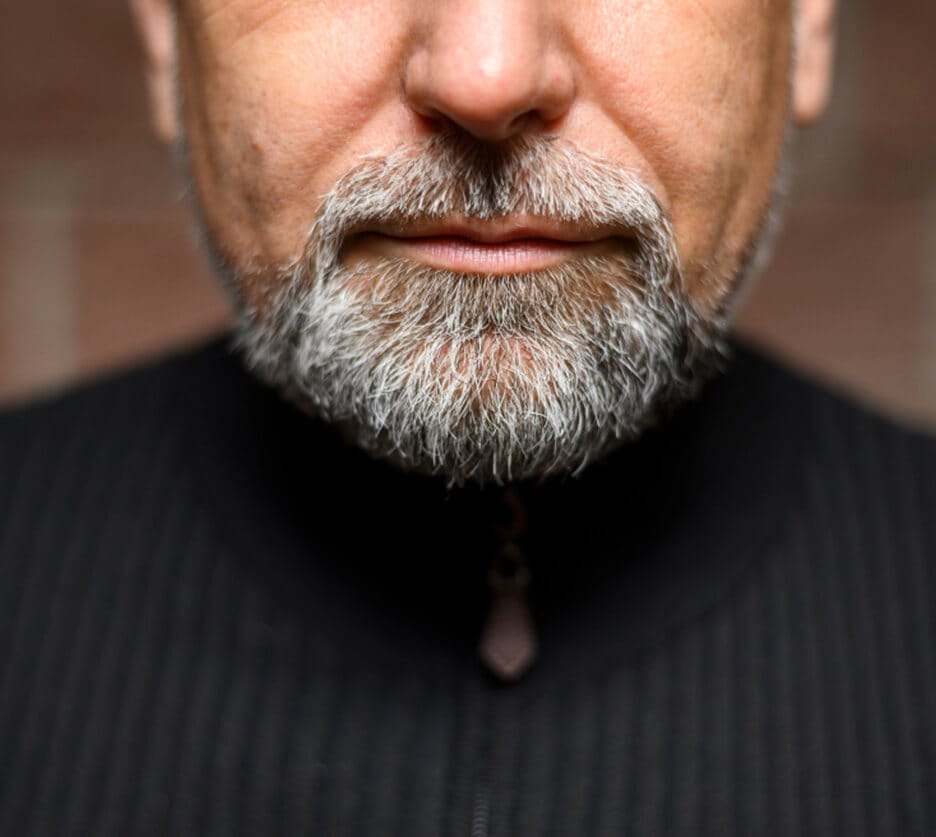
Not being able to grow a full, even beard can feel frustrating, and many men say it affects confidence and the way they think others view them. If you’re choosing surgery to correct patchy areas or beard bald spots, it’s normal to want a clear idea of the recovery process and the growth timeline.
Most people feel significantly better within the first week, and the treated areas usually look much calmer as early healing wraps up. The bigger change takes time, because transplanted follicles follow a natural growth cycle. Many patients start noticing early regrowth around 3-4 months, and results continue to improve for months after that. For most, the beard reaches its most complete, mature look at around 12 months.
If you live in Spokane and are searching for “beard transplant in Spokane”, at Hair Restoration Seattle, Dr. Javad Sajan offers beard transplant surgery that creates natural coverage and a clean outline. Spokane patients often travel for this level of technique and planning. You can start with a virtual consultation, then schedule your procedure when you feel ready.
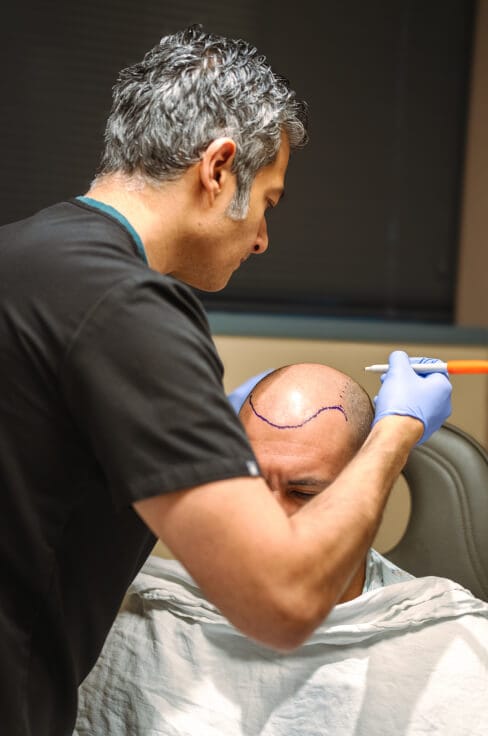
A beard transplant is a cosmetic hair restoration procedure that improves patchy, thin, or uneven facial hair. A surgeon takes healthy hair follicles from a donor area, usually the back or sides of the scalp, and places them into the beard. Each graft gets placed at a specific angle and direction so the hair grows naturally and blends with your existing beard. After healing, the transplanted follicles produce new hair that you can trim, shave, and style like normal facial hair.
Key points:
A beard transplant can improve:
The surgeon places each graft at the right angle and direction. It controls how the hair grows and how it looks when you trim.
FUE (Follicular Unit Extraction)
FUE removes individual follicles using a tiny punch tool. The donor area heals with small dot marks that hide easily once hair grows back.
FUT (Follicular Unit Transplant / Strip Method)
FUT removes a thin strip of donor tissue. The team dissects it into grafts under magnification. The donor area heals with a fine line scar that your hair can cover.
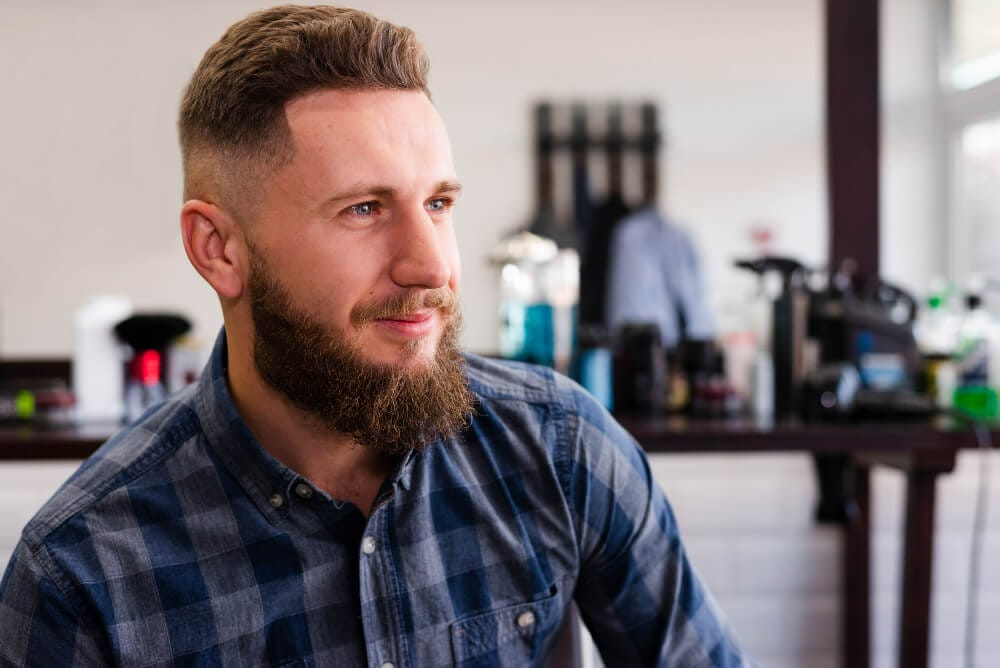
Most candidates want one thing. They want a beard that looks fuller and more even.
You may qualify if you:
During consultation, the team reviews your goals and facial structure. They also evaluate hair texture and curl pattern. This step helps the plan look natural in Spokane’s lighting, indoor work settings, and everyday life.
You should know what happens on procedure day. Clear steps reduce anxiety.
Consultation & Design
The provider maps your target beard shape and density. The plan respects your facial features and your grooming style.
Anesthesia
The procedure uses local anesthesia. You stay comfortable. Many patients listen to music or relax during the session.
Donor Harvesting
The team harvests grafts using FUE or FUT. A full beard often needs around 1,200 to 2,000 grafts, depending on your goal.
Graft Placement
The surgeon creates tiny sites in the beard. Then the team places grafts one by one. Angle and direction matter most here. They drive a natural look.
Completion
The procedure takes several hours for many patients. You go home the same day with detailed care steps.
Recovery feels manageable for most people when they follow instructions.
Many people return to desk work within two days, depending on healing and comfort.
A beard transplant gives you control over your look.
Cost depends on graft count and your target style. At Hair Restoration Seattle, we charge beard transplant pricing at $8 per graft.
Some common ranges include:
The team confirms your graft count during consultation and gives a clear estimate.
One of his patient says:
“He is patient and kind and very knowledgeable.”
Many patients travel from Spokane for specialized facial hair restoration. You can start with a remote consultation. That reduces extra trips. Then you can plan one focused visit for the procedure.
We often see patients from:
If you live in Spokane and want to explore beard transplant options, book a consultation with Hair Restoration Seattle. Call (206) 209-0988 or use the website contact form to schedule.
They last for the long term. The transplanted follicles keep growing hair after they heal.
It can help a lot if you have true patchiness or gaps. It offers permanent growth in areas where products do not work.
Many patients choose treatment between 25 and 50, after beard patterns stabilize.