Table of Contents
- How Long Does Eyebrow Hair Transplant Recovery Take?
- What Happens During an Eyebrow Transplant?
- Eyebrow Transplant Healing Timeline
- Common Side Effects During Recovery
- Eyebrow Transplant Aftercare Tips
- What Foods Help Eyebrow Transplant Recovery?
- Can You Wear Makeup After an Eyebrow Transplant?
- How Painful Is Eyebrow Transplant Recovery?
- Eyebrow Transplant Before and After: What Changes Can Patients Expect?
- Eyebrow Transplant vs Microblading Recovery
- Factors That Affect Eyebrow Hair Transplant Recovery Time
- Why Does Surgeon Experience Matters?
- Realistic Expectations: When Will You See Full Results?
- Who Is a Good Candidate for Eyebrow Hair Transplant?
- FAQs
Thin, patchy, or over-plucked brows can change the entire balance of the face. That’s why eyebrow hair transplants have become one of the most requested cosmetic procedures for both men and women. Most patients worry less about the surgery itself and more about the results. The good news is that eyebrow transplant recovery is faster and easier than most people expect.
This blog breaks down the full eyebrow hair transplant recovery time, healing stages, aftercare instructions, common side effects, and what realistic results look like at each milestone.
How Long Does Eyebrow Hair Transplant Recovery Take?
The eyebrow transplant healing process happens gradually over several months. While the initial downtime is low, full results take time to mature naturally.
Most patients experience:
- Mild swelling and redness during the first few days
- Scabbing and crusting within the first week
- Temporary shedding between weeks 2 and 6
- Early regrowth around months 3 to 4
- Final results between 9 and 12 months
Eyebrow transplant downtime is minimal for most patients. Since the procedure is performed under local anesthesia, many individuals return to work within 5 to 7 days
What Happens During an Eyebrow Transplant?
An FUE eyebrow transplant uses individual hair follicles, usually taken from the back of the scalp, and are placed into the brow area. The skill lies in the placement. Compared to scalp hair restoration, eyebrow transplantation requires extremely precise placement because eyebrow hairs grow at flatter and more delicate angles.
- Donor hair harvesting through FUE
- Careful sorting of single follicles
- Implantation at the correct angle and depth
- Artistic shaping based on facial structure
At Hair Restoration Seattle, the brow shape is customized for each patient, with attention to symmetry, density, and direction so the final result looks like natural hair growth more than a uniform line.
Eyebrow Transplant Healing Timeline
Day 1 After Surgery
Mild redness, swelling, and tenderness around the brows are normal immediately after the procedure. Tiny dot-like graft sites may also be visible. Most patients describe the discomfort as a feeling of tightness rather than significant pain.
During the first day:
- Sleep with the head elevated
- Avoid touching the brows
- Avoid bending over or strenuous activity
- Follow all cleaning instructions carefully
Days 2 to 4
Small eyebrow transplant scabs begin forming around each graft. Mild itching is common during this stage and is considered part of the healing process. Patients should avoid scratching or rubbing the area because it can interfere with graft survival.
Gentle cleansing helps keep the area clean without disturbing the transplanted follicles.
Week 1
By the end of the first week, swelling usually improves significantly and most crusting begins falling away naturally. At this stage, many patients feel comfortable returning to work or social activities.
Important eyebrow transplant aftercare tips during week one include:
- Sleeping elevated for several nights
- Avoiding workouts and sweating
- Keeping the area protected from direct sunlight
- Avoiding makeup on the brows
- Cleaning only as instructed by the clinic
Weeks 2 to 6: The Shedding Phase
The eyebrow transplant shedding phase often surprises patients who are unfamiliar with the recovery process. During this stage, many transplanted hairs fall out temporarily. This is completely normal and does not mean the procedure failed.
Only the hair shafts shed while the follicles remain alive beneath the skin. New growth gradually begins developing over the following months.
Months 2 to 4
This stage can feel slow because the brows may appear uneven or patchy. The follicles are entering a resting phase before producing new hairs.
Around month 3 or 4, fine early regrowth typically becomes visible. The eyebrow transplant growth timeline varies slightly between patients depending on healing response and graft survival.
Months 4 to 6
Visible density becomes more noticeable as new hairs continue growing. Some hairs may initially appear lighter, curlier, or grow at slightly different speeds before blending more naturally over time.
Light trimming may be needed because transplanted hairs continue behaving like scalp hair.
Months 6 to 12
Between months 6 and 12, the eyebrows gradually become fuller and more refined. By the end of the eyebrow transplant results timeline, most patients see the final shape, density, and overall appearance of their restored brows.
Common Side Effects During Recovery
- Swelling:
Mild swelling around the brows and forehead is normal for 2 to 3 days.
- Redness:
Redness lasts about a week and fades gradually.
- Itching:
A sign of healing, but scratching can dislodge grafts.
- Scabbing:
Small crusts form around each graft and shed within a week.
- Uneven Growth:
New hairs grow at different rates. Patchiness during months 2 to 5 is expected.
- Temporary Shedding:
The shed hairs regrow from the same follicles within a few months.
Call the surgeon if there is unusual pain, signs of infection, pus, fever, or bleeding that does not stop.
Eyebrow Transplant Aftercare Tips
Proper aftercare plays an important role in graft survival and overall healing quality. Following post-procedure instructions carefully can help reduce complications and improve long-term results.
Recommended eyebrow transplant recovery tips include:
- Sleep on the back with the head elevated for several nights
- Avoid workouts, sweating, and saunas for at least two weeks
- Protect the area from excessive sun exposure
- Avoid smoking and alcohol during early healing
- Never scratch, pick, or rub the brows
- Use only approved cleansing solutions and ointments
Common recovery mistakes include sleeping face-down, scratching scabs, resuming intense exercise too early, or exposing healing skin to direct sunlight.
What Foods Help Eyebrow Transplant Recovery?
Healing is influenced not only by aftercare habits but also by nutrition. A balanced diet may help support tissue repair and healthy hair growth during the eyebrow hair transplant healing process.
Helpful nutrients include:
- Protein from eggs, fish, chicken, and lentils
- Iron from spinach, beans, and red meat
- Zinc from nuts, dairy, and pumpkin seeds
- Vitamin D from salmon and fortified foods
- Proper hydration throughout recovery
Can You Wear Makeup After an Eyebrow Transplant?
Makeup directly on the brows should be avoided for at least 10 to 14 days. Brow pencils, gels, and powders can interfere with healing and trap bacteria around fresh grafts. Light makeup on areas away from the brows is usually fine after a few days.
How Painful Is Eyebrow Transplant Recovery?
Discomfort is generally mild. The procedure is done under local anesthesia, and most patients describe post-op soreness as a dull tightness rather than pain. Over-the-counter medication is usually enough to manage it.
Eyebrow Transplant Before and After: What Changes Can Patients Expect?
Eyebrow transplant before and after results often show noticeable improvements in brow fullness, shape, and facial symmetry. Patients who previously relied on makeup, microblading, or brow pencils typically appreciate the permanence of real hair growth.
The final appearance develops gradually throughout the healing process, which is why patience is important during recovery. Most patients begin seeing meaningful cosmetic improvements after several months, with complete maturation occurring closer to one year.
Eyebrow Transplant vs Microblading Recovery
Although both procedures improve the appearance of the brows, recovery is very different between eyebrow transplantation and microblading.
| Feature | Eyebrow Transplant | Microblading |
| Permanent hair growth | Yes | No |
| Healing time | Longer | Shorter |
| Natural hair | Yes | No |
| Maintenance | Trimming | Touch-ups every 1 to 2 years |
| Final look | Real hair density | Pigment lines |
Factors That Affect Eyebrow Hair Transplant Recovery Time
Several factors influence how quickly patients heal after surgery, including:
- Smoking and alcohol use
- Skin type and healing response
- Surgical technique and graft handling
- Following aftercare instructions properly
- Underlying medical conditions such as thyroid disorders or diabetes
FUE eyebrow transplant recovery may also vary depending on the number of grafts placed and overall skin sensitivity.
Why Does Surgeon Experience Matters?
Eyebrow restoration is one of the most technique-sensitive forms of hair transplantation. Creating natural-looking brows requires careful attention to graft angle, direction, density, and symmetry because eyebrow hairs grow differently than scalp hair. Even small variations in placement can affect how realistic the final results appear.
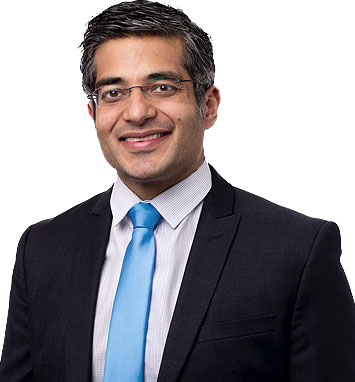
At Hair Restoration Seattle, Dr. Javad Sajan performs eyebrow restoration using advanced FUE techniques and customized brow mapping designed around each patient’s facial structure and natural hair pattern. Dr. Sajan is certified by the American Board of Cosmetic Surgery, the American Board of Facial Cosmetic Surgery, and the American Board of Otolaryngology: Head & Neck Surgery. He is also nationally recognized for his work in cosmetic and hair restoration procedures and has been featured by publications including Cosmopolitan, USA Today, and Insider.
His approach focuses on precise follicle placement, individualized treatment planning, and achieving softer, realistic-looking eyebrow density while minimizing visible donor-area scarring. Careful graft handling and artistic placement help transplanted hairs blend more naturally with existing brow hair for balanced long-term results.
Realistic Expectations: When Will You See Full Results?
Eyebrow transplant recovery requires patience because hair grows in cycles. Some periods of uneven growth or temporary shedding are expected before the brows mature fully.
Most patients achieve their final results between Six and nine months after surgery. During this time, the brows gradually become fuller, softer, and more refined.
Who Is a Good Candidate for Eyebrow Hair Transplant?
Eyebrow transplants may be suitable for individuals experiencing:
- Long-term overplucking
- Naturally sparse brows
- Brow thinning related to aging
- Hair loss from trauma or burns
- Scarring within the brow area
- Thyroid-related eyebrow thinning
A consultation with Dr. Javad Sajan will help determine whether the procedure is appropriate based on hair quality, skin condition, and aesthetic goals
Conclusion
Eyebrow transplant recovery is steady, predictable, and easier than most patients expect. Results take time to fully develop, but the final outcome is permanent, natural hair growth that doesn’t require pigment touch-ups. Choosing an experienced surgical team makes the biggest difference in healing comfort, graft survival, and the artistic outcome of the brows.
Patients considering eyebrow restoration frequently benefit from consulting experienced specialists to understand realistic healing timelines and expected results. To learn more about the procedure, recovery, and customized brow design, contact us at (206) 209-0988 to schedule a consultation with Hair Restoration Seattle today, then take the first step toward fuller, natural-looking eyebrows.
FAQs
How long does eyebrow transplant recovery take?
Most patients return to normal activities within a week. Full results develop within 9 to 12 months.
When do eyebrow transplant scabs fall off?
Scabs typically fall off within 5 to 7 days.
Is shedding normal after eyebrow transplant?
Yes. Shedding between weeks 2 and 6 is expected, and new hairs grow back from the same follicles.
Can I wash my face after eyebrow transplant?
Yes, but the brow area must be avoided for the first few days and cleaned only as instructed.
When can I wear makeup again?
Brow makeup should be avoided for 10 to 14 days.
When do eyebrow transplant hairs start growing?
New growth typically begins around months 3 to 4.
Are eyebrow transplant results permanent?
Yes. Transplanted follicles continue to grow long-term.
Does eyebrow transplant recovery hurt?
Discomfort is mild and usually managed with over-the-counter pain relief.
Can transplanted eyebrow hairs fall out permanently?
No. Shedding is temporary, and the follicles produce new hair within months.
How soon can I return to work?
Most patients return to work within 5 to 7 days.