Comparing the USA vs Turkey for Hair Transplants
One of the biggest differences between a hair transplant in the USA vs Turkey is how consistently the surgeon is involved in the hands-on work. In the United States, patients can more easily verify licensing, clinic location, and the physician responsible for the surgical plan. That accountability matters because hairline design, graft placement, donor management, and complication response require medical judgment. Internationally, some clinics operate as high-volume centers. The International Society of Hair Restoration Surgery has warned about illegal or unsafe hair restoration practices, including cases where technicians perform critical surgical steps with limited trainingSurgeon qualifications and accountability
Hair restoration is a specialized blend of surgery, aesthetics, and long-term medical planning. In the USA, patients can more easily verify a physician’s training, licensing, and practice history through official channels, including state credential search tools. Another major advantage is the ability to evaluate hair restoration-focused credentials. The American Board of Hair Restoration Surgery (ABHRS) describes itself as the only recognized certification focused on hair restoration surgery, with validated written and oral examinations and a public physician directory. What this means in practical terms- More reliable ways to confirm who is performing the surgery and what training backs the work.
- Greater accountability if something goes wrong, including clearer malpractice frameworks and complaint pathways.
- More consistent surgical ethics expectations, including truthful advertising and transparency about roles in the operating room.
2) Safety and “who actually performs the procedure?”
One of the most significant differences in the hair transplant debate between the USA and Turkey is the role of the supervising physician during surgery. The International Society of Hair Restoration Surgery (ISHRS) has warned patients about medical tourism cases in which technicians, rather than trained physicians, perform surgical portions of the procedure. This is specifically done due to the restrictions imposed by the Turkish Health Ministry, which bans hair transplant surgery from being performed outside a hospital setting. This results in lower cost surgeries, which feels appealing the patients who are unaware. ISHRS specifically describes a “bait and switch” concern, where a patient believes a physician will perform the surgery, but instead finds a fake doctor. Why does that matter? Hair transplantation requires constant clinical judgment, including anesthesia monitoring, graft-handling decisions, and real-time adjustments based on bleeding, tissue quality, graft-survival risk, and hairline design. In the USA, patients are generally in a stronger position to confirm physician involvement and demand clarity on surgical roles before the procedure.3) Facility standards and accreditation: why it affects outcomes
A hair transplant is commonly performed in an outpatient setting, but the clinical environment still matters. In the USA, many practices align with formal office-based surgery accreditation and safety standards, which cover patient care processes, readiness, and quality systems. In Turkey, some hospitals and organizations are accredited (including through international frameworks), but patients still face a wide range of clinic models, and the challenge becomes verifying which standards apply to the specific clinic and who is accountable for care.4) Prices Versus the Value
Cost is the primary reason Turkey appears in searches. Some Turkey-based clinics market prices substantially lower than typical US rates, and they often include travel-related add-ons in bundled packages. That said, cost comparisons can hide major differences:- Graft counts are not always measured or quoted the same way.
- Surgical roles may differ (physician-led vs technician teams).
- Aftercare access and complication management can add unexpected costs, especially if repair work is needed later.
5) Results quality: what separates excellent work from “obvious” hair transplants
The most natural hair transplant results usually come from:- A conservative, age-appropriate hairline
- Correct graft direction and angle
- Careful density placement that avoids a pluggy look
- Donor management that avoids overharvesting
Why choose Hair Restoration Seattle
For patients who decide the USA is the safer choice, the next step is choosing a clinic built around planning, transparency, and long-term results. Hair Restoration Seattle positions hair transplantation as a customized medical procedure, not a cookie-cutter package. The clinic offers both FUT (strip method) and FUE, allowing treatment to match hair loss pattern, donor characteristics, and styling preferences instead of forcing one method for everyone.Benefits of hair restoration with a US-based plan
A well-executed hair transplant can restore a stronger hairline, rebuild density in thinning zones, and improve overall facial framing. Beyond cosmetic change, a US-based plan supports results by prioritizing:- Customized donor management so graft use stays conservative and future-friendly
- Technique flexibility (FUT and FUE) to match the case, not the trend
- Local follow-up access for healing guidance and post-op care
Dr. Javad Sajan’s Surgical Experience: A Strong Reason to Choose the USA
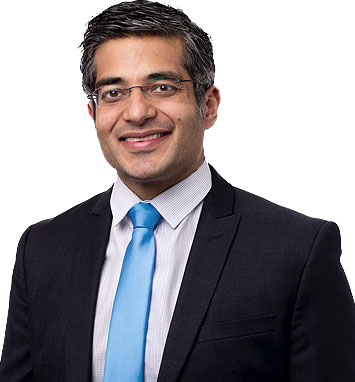
Hair Restoration Seattle is led by Dr. Javad Sajan, a Seattle-based surgeon known for detail-driven aesthetic work and patient-focused care. Across his surgical career, Dr. Sajan has completed 4,000+ procedures for patients from the United States and around the world, bringing a high level of hands-on experience to cosmetic and hair restoration planning. Dr. Sajan has also been recognized by the American Institute of Plastic Surgeons for patient satisfaction and has been featured in national media outlets such as Cosmopolitan, Insider, and National Enquirer. These credibility signals matter in a “USA vs Turkey” comparison because hair transplantation is not a commodity. It requires medical judgment, consistent technique, and long-term responsibility for results. At Hair Restoration Seattle, the focus stays on physician-led planning, modern hair restoration methods, and an approach designed to support natural-looking outcomes with careful donor management.FAQs
How long does it take to see final hair transplant results?
Early growth usually starts around three to four months. Most visible results appear between six and nine months. Final results are typically seen at twelve months, depending on healing and graft count.Can a hair transplant done in Turkey be repaired in the USA?
Repair may be possible, but it depends on donor damage and graft placement. Overharvesting or poor technique can limit correction. Repairs often cost more than the original procedure and have limits.Are hair transplants regulated in the USA?
Yes. Hair transplant procedures in the USA are performed under medical regulations with licensed physicians responsible for surgical planning and oversight. This helps improve safety and accountability.Does lower cost mean lower quality in hair transplants?
Not always, but low pricing often reflects high-volume treatment or limited follow-up. Hair transplant quality depends on planning, precision, and donor care, not just cost.What happens if complications occur after surgery in Turkey?
Managing complications can be difficult once the patient returns home. Follow-up care may be limited, and local clinics may not have full details of the original procedure.Is communication a concern with overseas hair transplants?
Clear communication is critical for hairline design and aftercare. Language barriers or rushed consultations can affect results. US clinics typically offer clearer pre-op and post-op guidance.Why is long-term hair loss planning important?
Hair loss often continues after a transplant. Planning helps preserve donor hair and maintain natural results over time, especially for patients with progressive thinning.Can travel affect hair transplant recovery?
Long flights soon after surgery can increase discomfort and make early aftercare harder. Limited access to follow-up during healing can add risk.Bottom line
For patients comparing hair transplant USA vs Turkey, the best overall decision often comes down to predictability and accountability. The USA tends to provide clearer standards, stronger credential verification, and easier access to follow-up care. For those seeking hair restoration in Washington, Hair Restoration Seattle and Dr. Javad Sajan position care around individualized planning and established surgical options like FUE and FUT, with the goal of natural-looking results that age well over time.