A hair transplant is considered a long-term solution for permanent hair loss, moving healthy follicles into areas of thinning or balding. Even so, many patients wonder whether an added treatment can help protect that investment and support a fuller outcome. PRP after hair transplant is one of the most common questions raised during recovery, since […]
Losing hair is stressful. You look in the mirror, you see more scalp than you used to, and you start Googling. Two names keep popping up: PRP and hair transplant. Both are real treatments, but they don’t do the same job. Picking the wrong one for your stage of hair loss can waste your time […]
Working out does not directly cause permanent hair loss. Many people begin to wonder if working out causes hair loss after noticing extra strands on the gym floor or in the shower following an intense session. In most cases, genetics, not gym activity, remains the primary driver of hair loss. This blog breaks down the […]
Exercise cannot directly prevent genetic hair loss. However, staying active helps keep your scalp healthy, lowers stress hormones such as cortisol, and boosts blood flow to your hair follicles. Many people mistakenly think that working out leads to balding, but the main reasons for hair loss are genetics and how sensitive your follicles are to […]
A receding hairline is one of the most common concerns among men and women dealing with hair loss. Sometimes non-surgical treatments can help. But whether reversal is realistic depends entirely on how far the hair loss has progressed, what is causing it, and which follicles are still alive and treatable. There is an important distinction […]
One of the more common questions patients ask during advanced hair loss consultations is whether beard hair can be used as a donor source for a hair transplant. For many people dealing with significant thinning or baldness, scalp donor supply runs out before restoration goals are met. Beard hair fills that gap. Dr. Javad Sajan […]
Scabs after hair transplant are completely normal, but removing them the wrong way can put newly implanted grafts at risk. These small protective crusts usually appear within the first 24 to 48 hours as the scalp heals from the tiny micro-incisions created during FUE or FUT hair transplant surgery. During the early stages of recovery, […]
Hair transplants are often seen as a long-term solution for hair loss, but it is not as simple as a one-time fix. Many patients ask if the results last forever, and the answer depends on a few important factors. While transplanted hair is designed to grow for years, your natural hair can still change over […]

 A hair transplant is considered a long-term solution for permanent hair loss, moving healthy follicles into areas of thinning or balding. Even so, many patients wonder whether an added treatment can help protect that investment and support a fuller outcome. PRP after hair transplant is one of the most common questions raised during recovery, since […]
 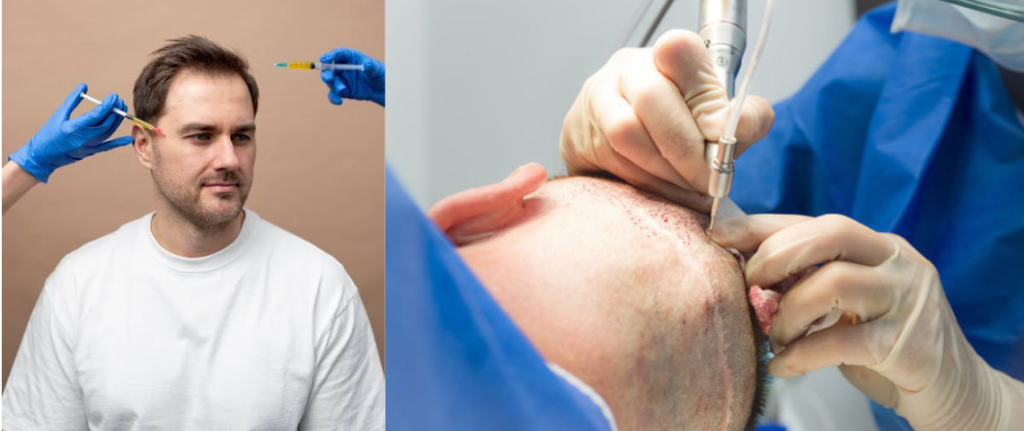 Losing hair is stressful. You look in the mirror, you see more scalp than you used to, and you start Googling. Two names keep popping up: PRP and hair transplant. Both are real treatments, but they don’t do the same job. Picking the wrong one for your stage of hair loss can waste your time […]
  Working out does not directly cause permanent hair loss. Many people begin to wonder if working out causes hair loss after noticing extra strands on the gym floor or in the shower following an intense session. In most cases, genetics, not gym activity, remains the primary driver of hair loss. This blog breaks down the […]
  Exercise cannot directly prevent genetic hair loss. However, staying active helps keep your scalp healthy, lowers stress hormones such as cortisol, and boosts blood flow to your hair follicles. Many people mistakenly think that working out leads to balding, but the main reasons for hair loss are genetics and how sensitive your follicles are to […]
 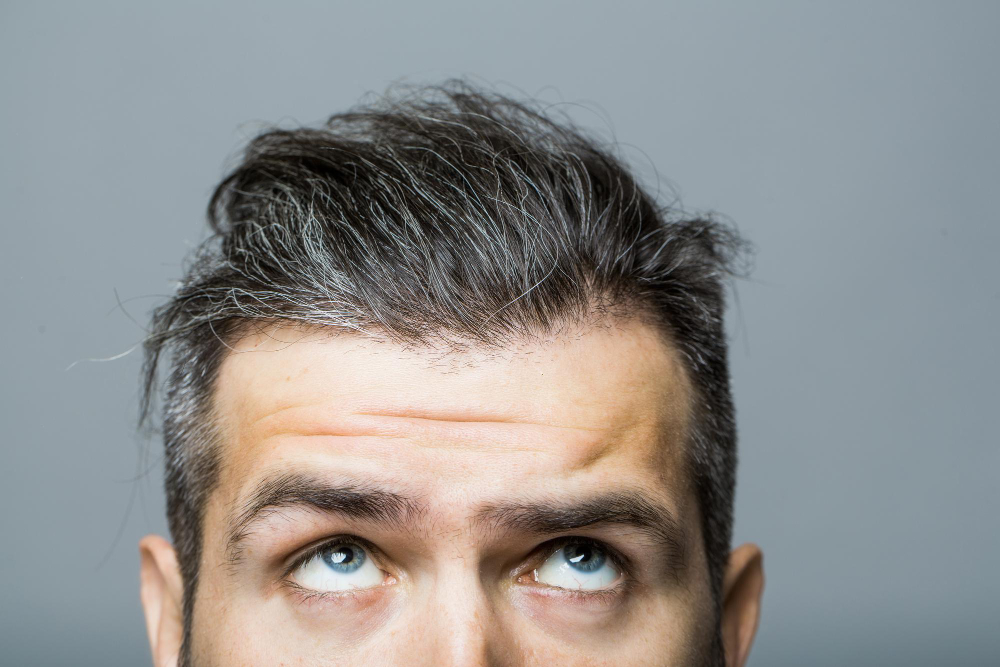 A receding hairline is one of the most common concerns among men and women dealing with hair loss. Sometimes non-surgical treatments can help. But whether reversal is realistic depends entirely on how far the hair loss has progressed, what is causing it, and which follicles are still alive and treatable. There is an important distinction […]
 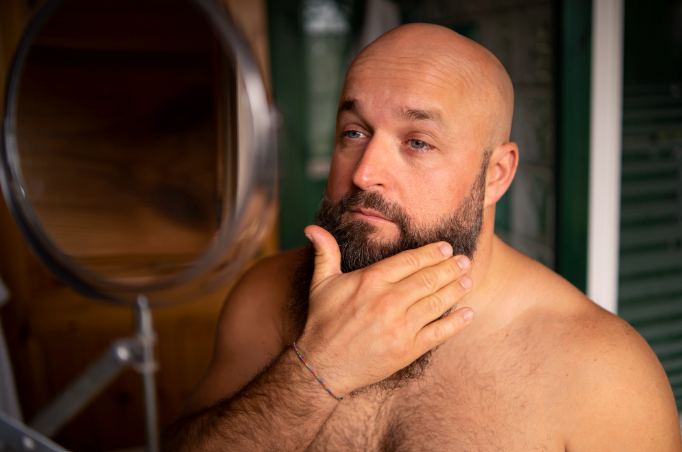 One of the more common questions patients ask during advanced hair loss consultations is whether beard hair can be used as a donor source for a hair transplant. For many people dealing with significant thinning or baldness, scalp donor supply runs out before restoration goals are met. Beard hair fills that gap. Dr. Javad Sajan […]
 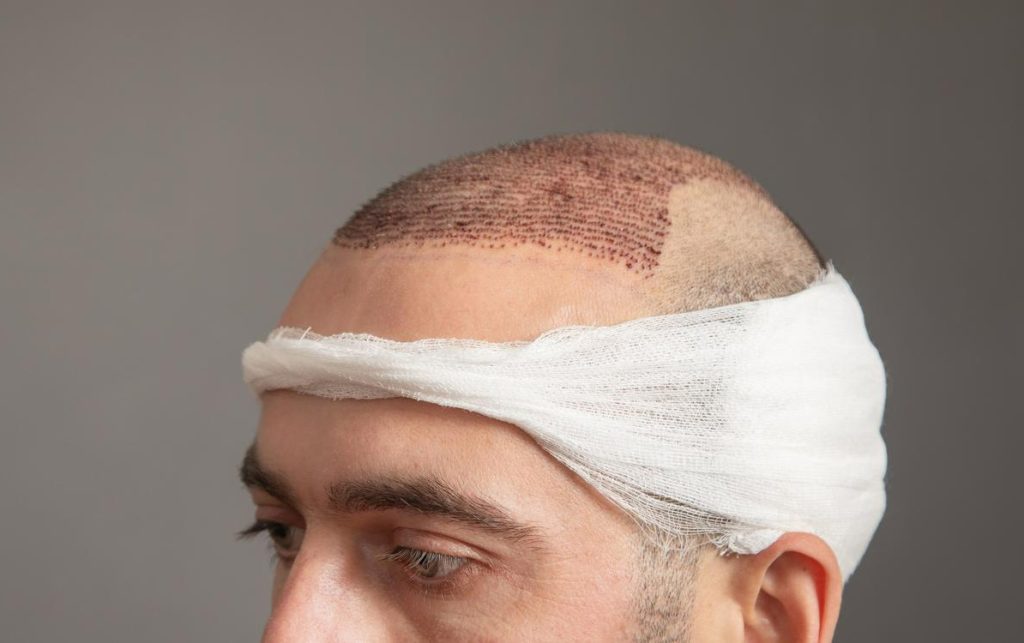 Scabs after hair transplant are completely normal, but removing them the wrong way can put newly implanted grafts at risk. These small protective crusts usually appear within the first 24 to 48 hours as the scalp heals from the tiny micro-incisions created during FUE or FUT hair transplant surgery. During the early stages of recovery, […]
 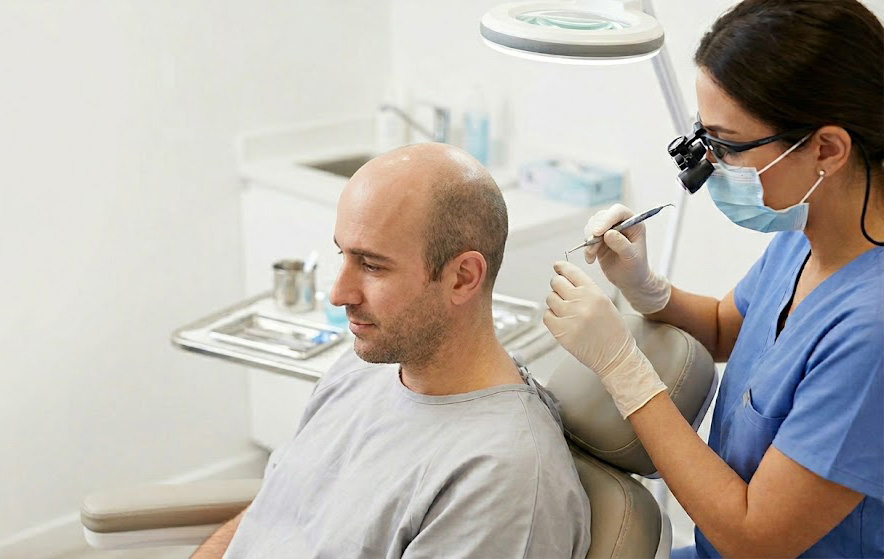 Hair transplants are often seen as a long-term solution for hair loss, but it is not as simple as a one-time fix. Many patients ask if the results last forever, and the answer depends on a few important factors. While transplanted hair is designed to grow for years, your natural hair can still change over […]