Table of Contents
- What Is PRP After Hair Transplant?
- Does PRP After Hair Transplant Actually Work?
- How Does PRP Help After FUE Hair Transplant?
- How Does PRP Help After FUT Hair Transplant?
- When Should You Get PRP After Hair Transplant?
- How Many PRP Sessions Are Needed After Hair Transplant?
- PRP After Hair Transplant vs. Hair Transplant Alone
- PRP vs Hair Transplant: Which One Should You Choose?
- What Results Can You Expect After PRP Following Hair Transplant?
- Who Is a Good Candidate for PRP After Hair Transplant?
- Why Choose Hair Restoration Seattle for Hair Transplant Procedures?
- Ready to Explore PRP After Hair Transplant?
- FAQs
A hair transplant is considered a long-term solution for permanent hair loss, moving healthy follicles into areas of thinning or balding. Even so, many patients wonder whether an added treatment can help protect that investment and support a fuller outcome. PRP after hair transplant is one of the most common questions raised during recovery, since it is positioned as a way to support healing and encourage hair growth as opposed to a stand-alone fix.
What Is PRP After Hair Transplant?
PRP stands for platelet-rich plasma. The treatment uses a small sample of the patient’s own blood, which is spun in a centrifuge to separate and concentrate the platelets and growth factors. Once separated, the plasma is drawn into a syringe and injected into the scalp in the areas that need support. Because the plasma comes from the patient’s own body, there is no risk of an allergic reaction from foreign substances. After a hair transplant, this concentrated plasma is used to support the scalp environment while new grafts settle in and begin to grow.
Does PRP After Hair Transplant Actually Work?
PRP may support the recovery process after a hair transplant, but it does not replace the transplant procedure itself. It is considered a complementary addition rather than a stand-alone hair restoration method.
May support graft healing: Newly transplanted follicles need time to establish a blood supply in their new location. The growth factors in PRP may help create a healthier environment for that healing process.
May encourage faster hair growth: PRP can stimulate follicles during the early development stages that follow surgery. Some patients notice improved density as the transplanted hair matures.
May improve existing hair strength: While the transplant restores hair to areas of loss, PRP may also help strengthen surrounding hair that has started to thin, supporting a more uniform result across the scalp.
How Does PRP Help After FUE Hair Transplant?
FUE removes individual follicular units from the donor area using a small punch tool, leaving tiny extraction points rather than one long incision. PRP may support healing of those extraction sites and give transplanted follicles added support during early recovery. Patients considering fue hair restoration seattle often ask whether adding PRP can improve their final outcome, and providers typically explain that it is meant to complement the surgery rather than speed past the body’s natural healing timeline.
How Does PRP Help After FUT Hair Transplant?
FUT removes a strip of donor tissue rather than individual follicular units. Because this method includes a linear incision, PRP may support scalp recovery around the closure and can be considered as part of a customized hair transplant aftercare plan alongside standard wound care instructions.
When Should You Get PRP After Hair Transplant?
Immediately after surgery: Some providers use PRP during or right after the transplant procedure itself, applying it directly to the treated area.
One to three months after surgery: This is a common window when patients may consider additional PRP sessions, once initial healing has settled and hair transplant recovery is well underway.
Three to six months after surgery: Sessions during this period may support the scalp during the ongoing growth phase, as transplanted follicles continue to mature.
How Many PRP Sessions Are Needed After Hair Transplant?
The exact number of PRP sessions depends on a number of factors, including the severity of hair loss, the quality of existing hair, individual patient goals, and the recommendation of the treating provider. Many patients receive several rounds spaced out over the months following surgery rather than a single treatment.
|
Timeline |
Purpose |
| First Session |
Supports early healing |
|
Second Session |
Supports follicle activity |
| Third Session |
Helps maintain growth support |
PRP After Hair Transplant vs. Hair Transplant Alone
Patients researching hair transplant Seattle options frequently want to know how PRP fits into a wider recovery plan. The below comparison table is usually the starting point for that conversation.
|
Factors |
Hair transplant Alone | Hair Transplant + PRP |
| Restores missing hair | Yes |
Yes |
|
Uses transplanted follicles |
Yes | Yes |
| Additional growth support | Limited |
Possible |
|
Recovery support |
Standard |
Enhanced support |
PRP vs Hair Transplant: Which One Should You Choose?
Choosing between the two, or combining them, usually comes down to how much hair has already been lost and how well the remaining follicles are still responding. Patients earlier in the thinning process, with follicles that still respond to stimulation, often start with PRP before considering surgery. Once bald areas become permanent or a hairline has receded significantly, transplant surgery becomes the more effective route, with PRP added afterward to support the results. A closer look at how PRP compares with hair transplant surgery walks through which approach tends to fit each stage of hair loss. Many patients end up choosing a combination approach, using transplant surgery to restore missing hair and PRP for ongoing follicle support.
ALSO READ: PRP vs PRF: Which Is Right for You?
What Results Can You Expect After PRP Following Hair Transplant?
Results tend to unfold gradually rather than all at once. The first month is largely a healing period, with the scalp settling after surgery. Between second month and month four, early growth typically becomes noticeable. From six to twelve months, many patients see visible improvement in density and coverage. Final hair transplant results are generally assessed at twelve months or beyond, once all transplanted follicles have had time to mature. Outcomes vary by patient, and no provider can promise a guaranteed result.
Who Is a Good Candidate for PRP After Hair Transplant?
Good candidates generally have:
- A healthy scalp with no active infection or irritation
- Some early thinning around the transplanted area
- An interest in additional support during recovery
PRP is not usually recommended for:
- Scalp areas with a complete absence of follicles, since there is no hair to strengthen
- Patients with certain medical conditions that affect healing
A consultation is the best way to confirm candidacy.
Why Choose Hair Restoration Seattle for Hair Transplant Procedures?
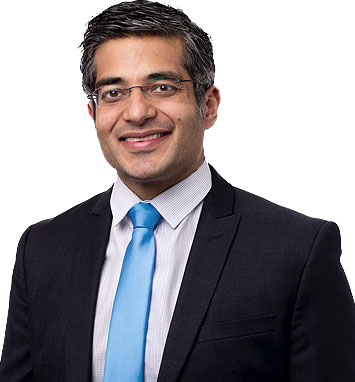
Hair Restoration Seattle offers FUE hair transplant, FUT hair transplant, customized treatment planning, and post-procedure guidance, with each plan built around a patient’s hair loss pattern and goals rather than a generic protocol. The procedure is carefully done by Dr. Javad Sajan, who is recognized as one of the best hair restoration experts in Seattle. He is an award winning triple board certified cosmetic surgeon who receives patients from around the globe.
Dr. Sajan focuses on patient-centered cosmetic and hair restoration care, and patients regularly highlight his consultation approach and the attention given throughout their procedure journey.. During a consultation, Dr. Sajan can help determine whether PRP, FUE, FUT, or a combination approach is appropriate based on a patient’s hair loss pattern.
Ready to Explore PRP After Hair Transplant?
Hair Restoration Seattle offers a clear next step for anyone weighing PRP after a hair transplant. Booking a consultation with Dr. Sajan is the most direct way to review candidacy for FUE, FUT, PRP, or a combined treatment plan built around individual hair loss patterns and goals. Book a consultation with Hair Restoration Seattle to start building a personalized hair restoration plan.
FAQs
Does PRP after hair transplant improve results?
PRP may support healing and follicle growth, but final results depend on transplant quality, genetics, and aftercare.
Is PRP mandatory after hair transplant?
No, It is an optional supportive treatment.
How soon can I see results from PRP after transplant?
Results vary, but improvement is generally gradual over several months.
Can PRP replace a hair transplant?
No, PRP cannot recreate hair in completely bald areas.
Is FUE better than FUT with PRP?
PRP can be combined with either procedure. The best option depends on donor area, hair loss pattern, and goals.